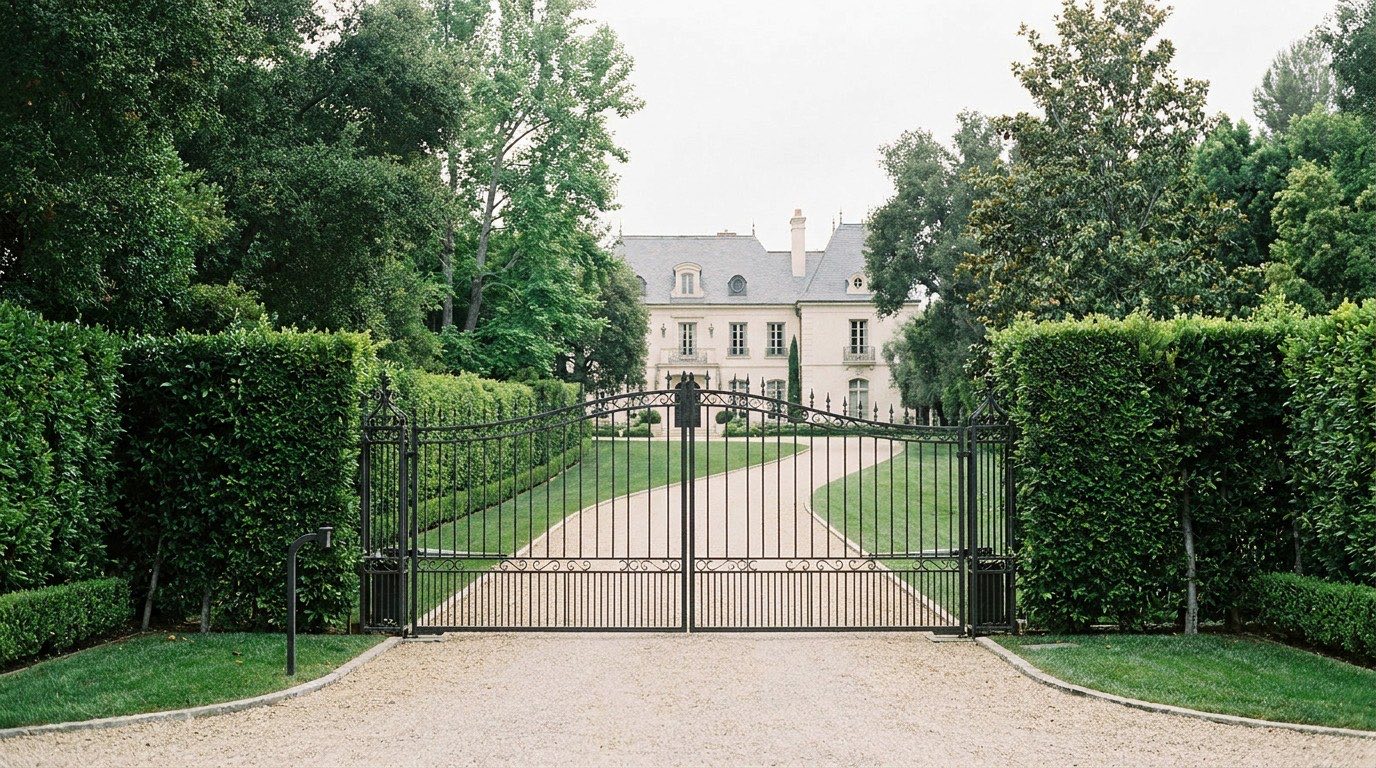
Bel Air doesn’t have a rental market in the way most neighborhoods do. There’s no apartment complex, no condo building, no multi-family stock of any kind. Renting here means leasing an actual estate, and that shapes everything about how this market behaves.
There Is No Condo or Apartment Stock to Fall Back On
Almost every other Westside neighborhood has some mix of single-family homes and multi-family buildings, giving renters a range of price points and unit sizes to choose from. Bel Air doesn’t. The neighborhood is built almost entirely on large single-family lots, gated and guard-gated streets, and estate-scale properties, which means the rental pool is really a rental pool of houses, not units. If you’re comparing this to a neighborhood with more range in its housing stock, our Bel Air vs. Brentwood comparison covers that difference directly.
Demand Comes From Privacy and Relocation, Not Volume
Because there’s no apartment stock pulling in a broad renter base, Bel Air’s rental demand comes from a narrower group: buyers relocating to Los Angeles who want to live in the neighborhood before purchasing, executives on a temporary assignment who need a fully private, gated home, and people who simply aren’t ready to commit to a purchase at this price point. This is a different kind of demand than a beach neighborhood or a walkable downtown pulls in, and it means rental activity here is lower volume by nature, not because the neighborhood lacks appeal.
Furnished and Shorter-Term Leases Are More Common
Given how much of the demand is relocation-driven, furnished leases and shorter-term terms show up more often in Bel Air than in a typical single-family rental market. A family testing out the neighborhood for six months to a year before buying, or an executive on a defined work assignment, tends to prefer this over an unfurnished, multi-year lease. That said, standard unfurnished long-term leases exist too, and it’s worth being clear about which type you’re looking for before starting a search.
Inventory Is Genuinely Thin
Most Bel Air estates are owner-occupied, and only a small share of the neighborhood’s housing stock comes onto the rental market in any given period. That means anyone seriously looking to lease here should expect a narrower, slower search than almost anywhere else in Los Angeles, and working with someone who has visibility into off-market or quietly available rentals matters more here than in a neighborhood with deep, public inventory.
Gated Access Adds a Layer Most Rental Searches Don’t Have
Many Bel Air streets sit behind guard gates, and a lease on one of these properties typically comes with the same access protocols an owner would have, code entry, guest list coordination, sometimes 24-hour staffed gates. This is a genuine part of the appeal for renters prioritizing privacy and security, and it’s worth understanding how it works in practice before signing a lease, since it does add a layer of coordination that a standard rental doesn’t.
What This Means for Pricing
With so little available inventory and demand concentrated among buyers who specifically want an estate-scale, private, gated home, rents in Bel Air track the underlying real estate market closely rather than moving with a typical apartment-market cycle. A property’s lot size, gated street, and privacy features tend to matter more to the final rent than square footage alone.
The Honest Read
Bel Air’s rental market is small, estate-only, and driven by a specific kind of renter rather than broad demand. That’s not a limitation so much as a reflection of what the neighborhood actually is: a place built around ownership of large, private, gated properties rather than a rental-friendly mix of housing types.
If you’re considering a lease in Bel Air, whether to test the neighborhood before buying or for a defined period of privacy and security, reach out to Efrat. She serves buyers, sellers, and renters across Los Angeles, including Bel Air, and can help you find what’s genuinely available.
