Culver City occupies a fairly unusual spot on the LA map: it’s a real job center in its own right, not just a neighborhood people commute out of. That changes the commute conversation here compared to a lot of other parts of the city.
Culver City Is Also a Destination, Not Just a Starting Point
Sony Pictures Studios sits on the historic MGM lot along Washington and Culver Boulevards, Amazon Studios operates out of the nearby Culver Studios campus, and Apple and a cluster of tech and creative companies occupy the architecturally distinctive Hayden Tract just east of downtown. For residents who work at any of these, the commute can shrink to a few minutes, which is a real draw for buyers in the entertainment and tech industries specifically.
The Drive to Downtown LA
For residents who work Downtown rather than locally, the I-10 freeway is the direct route east, and it’s a manageable drive outside of rush hour. During peak commute windows it slows down substantially, which is consistent with most of the freeways feeding into Downtown from the Westside. Some residents combine driving with Metro’s E Line (light rail) for part of the trip, parking near a station rather than driving the whole way in.
Reaching the Westside Tech Corridor
Santa Monica and Playa Vista, home to offices for companies like Google and Snap, sit close to Culver City, generally reached via Washington Boulevard, Venice Boulevard, or a short stretch of freeway depending on the exact starting point. This is one of the more forgiving commutes from Culver City, though it still stretches out noticeably during the morning and evening crunch the way most Westside routes do.
LAX Proximity
Culver City sits close enough to LAX that frequent flyers genuinely benefit, often getting to the terminal in well under half an hour outside of peak traffic. That proximity is a real perk for anyone who travels often for work, though it’s worth checking actual drive times for a specific listing and time of day rather than assuming based on the general area alone.
The Corridors Worth Knowing
A handful of streets shape daily life in Culver City more than others. Sepulveda Boulevard and Overland Avenue carry heavy north-south traffic, especially near the 90230 and 90232 zip code boundaries. Jefferson Boulevard and National Boulevard see regular congestion near the studio lots during shift changes and production hours. None of this is unusual for a dense, centrally located LA neighborhood, but it’s worth knowing which streets to route around before you commit to a daily drive.
Metro’s E Line Is a Genuine Asset Here
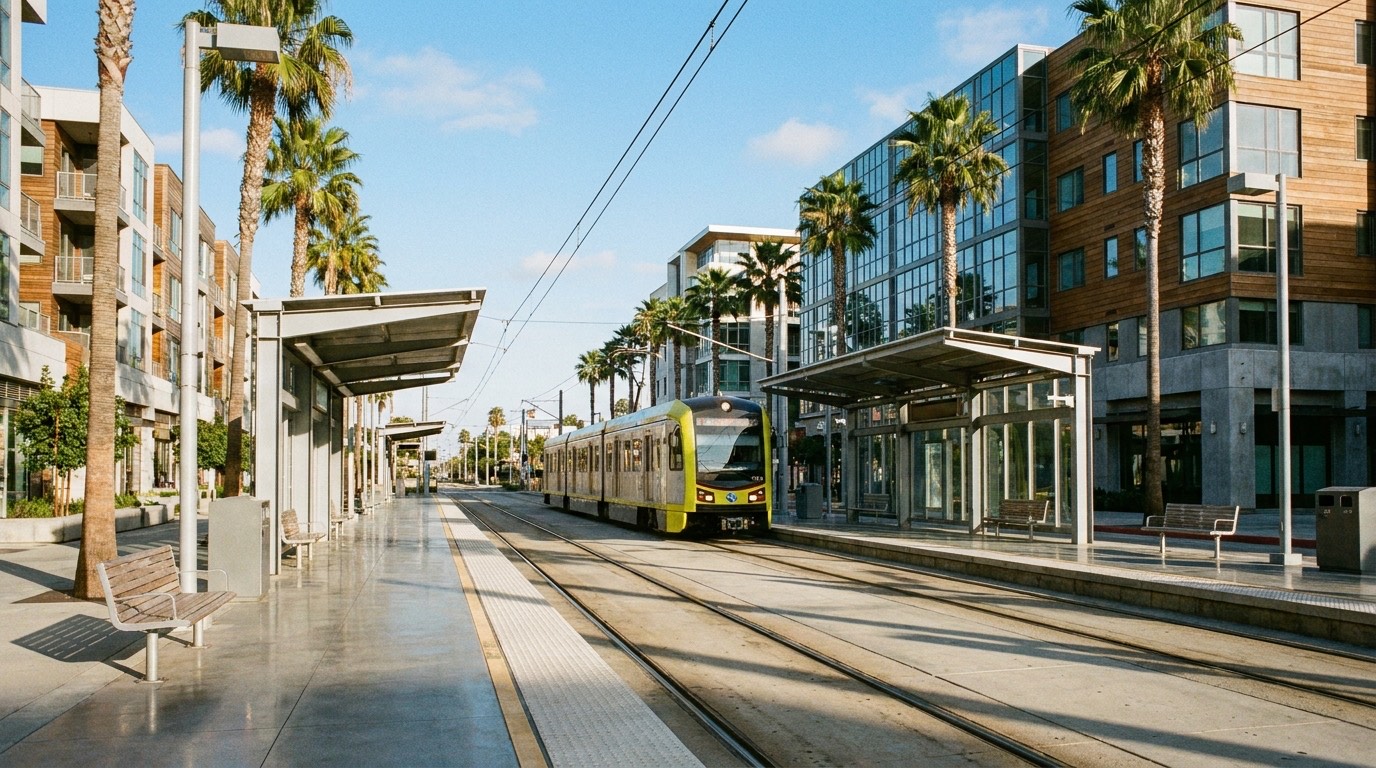
The Culver City E Line station, in the heart of downtown, gives residents a direct light rail connection to Santa Monica in one direction and Downtown LA in the other. For anyone whose commute lines up with those two endpoints, it’s a real alternative to driving, not just a backup option, and it’s part of why Culver City appeals to buyers who want car-optional flexibility without giving up a central location.
Weighing the Commute Against the Rest of the Picture
The honest takeaway is that Culver City’s commute profile depends heavily on where you actually work. For anyone employed by Sony, Amazon, Apple, or one of the smaller creative and tech companies clustered in the Hayden Tract, this can be one of the shortest commutes available anywhere in LA. For a Downtown-based job, it’s a solid middle-ground option, better than the coastal neighborhoods further out but still subject to the same freeway patterns as the rest of the city.
Efrat serves buyers and sellers across Los Angeles, including Culver City, and can talk through how a specific commute is likely to play out before you start touring. Reach out to Efrat if you want to think it through with your actual job location in mind.
