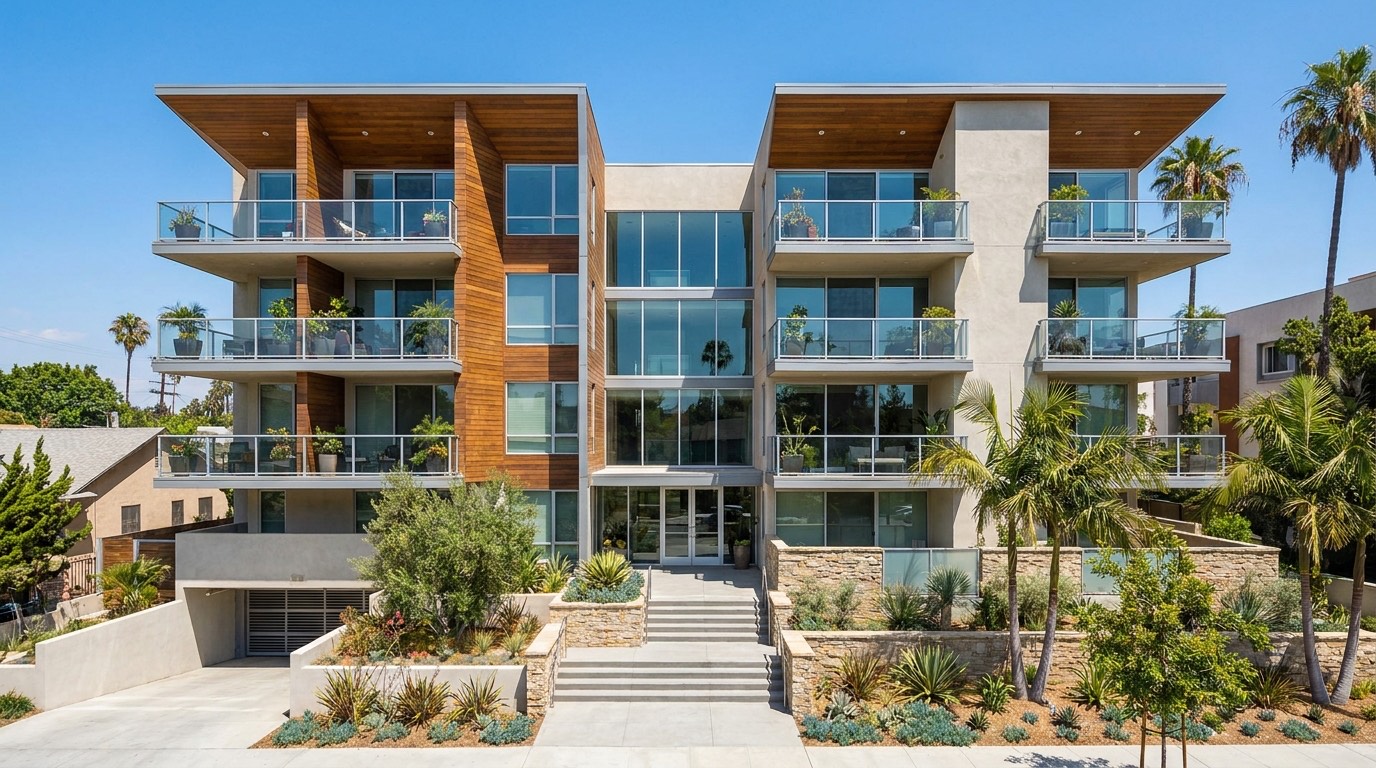
Culver City’s rental market runs on a mix of entertainment industry history and a newer tech-adjacent workforce, layered on top of a housing stock that leans more toward condos than most Westside neighborhoods. Here’s what actually shapes demand.
The Studios and Tech Employers Anchor Local Demand
Sony Pictures Studios and Amazon’s expanding studio and office presence give Culver City a renter base that’s genuinely tied to local employment, not just people passing through on their way to somewhere else. That’s different from neighborhoods where renters commute in from outside the area for work. A meaningful share of tenants here work close enough to walk or take a short drive, which supports steady demand even when the broader rental market softens elsewhere.
Downtown Walkability Commands a Real Premium
The stretch around Washington and Culver Boulevards functions as an actual downtown, and units within walking distance of it rent for more than comparable units a short drive away. Renters who prioritize walking to dinner, a coffee shop, or the movie theater over downtown will pay for that, the same way it plays out in home prices. If proximity to that walkable core matters to your search, expect to trade some square footage or budget for it.
The Hayden Tract Pulls in a Different Kind of Renter
The Hayden Tract’s shift from industrial buildings into design studios, tech offices, and creative firms has brought a newer wave of renters into the area, ones who want a short commute to a design or tech job over other amenities. That demand has spread to nearby residential streets too, not just units directly adjacent to the Tract itself.
Rent Stabilization Covers a Real Share of the Housing Stock
Culver City runs its own rent stabilization ordinance, separate from the City of Los Angeles rules that apply in a lot of surrounding neighborhoods. That distinction matters if you’re used to LA’s rules and assume they carry over here. Coverage depends on building age and unit type, so confirm the current status of a specific property with the city rather than assuming either way. If you’re weighing a Culver City property as a rental investment, our guide to investing in LA rental property covers the fundamentals worth checking before local rules enter the picture.
Condos Dominate the Rental Stock, and HOA Rules Vary Widely
Culver City’s housing mix leans more toward condos than most Westside neighborhoods, which shapes the rental market differently than a single-family-heavy area would. Some buildings restrict rentals outright through HOA rules, others cap lease length, and some place no real restriction at all. That variation is wide enough that you can’t assume a building’s rental policy from its location or age. Read the actual HOA documents for a specific building before counting on rental income as part of the plan.
Short-Term Rental Demand Is a Separate, More Restricted Layer
If you’re evaluating short-term or vacation rental income on a Culver City property, know that the city runs its own local short-term rental ordinance, distinct from the rules that apply just a few minutes away in the City of Los Angeles. Our breakdown of Culver City’s short-term rental rules covers what to confirm before assuming that income is available to you.
What This Looks Like for Someone Renting Right Now
If you’re searching for a rental in Culver City rather than evaluating one as an investment, expect the most competition for anything walkable to downtown or a short commute to the Hayden Tract or the studios. Units further into the quieter residential streets typically give you more negotiating room and more time to decide, at the cost of that walkable convenience.
If you’re looking at a Culver City property as a rental, whether to live in or hold as an investment, reach out to Efrat. She serves buyers and sellers across Los Angeles, including Culver City, and can help you think through what a specific property would realistically rent for before you commit.
