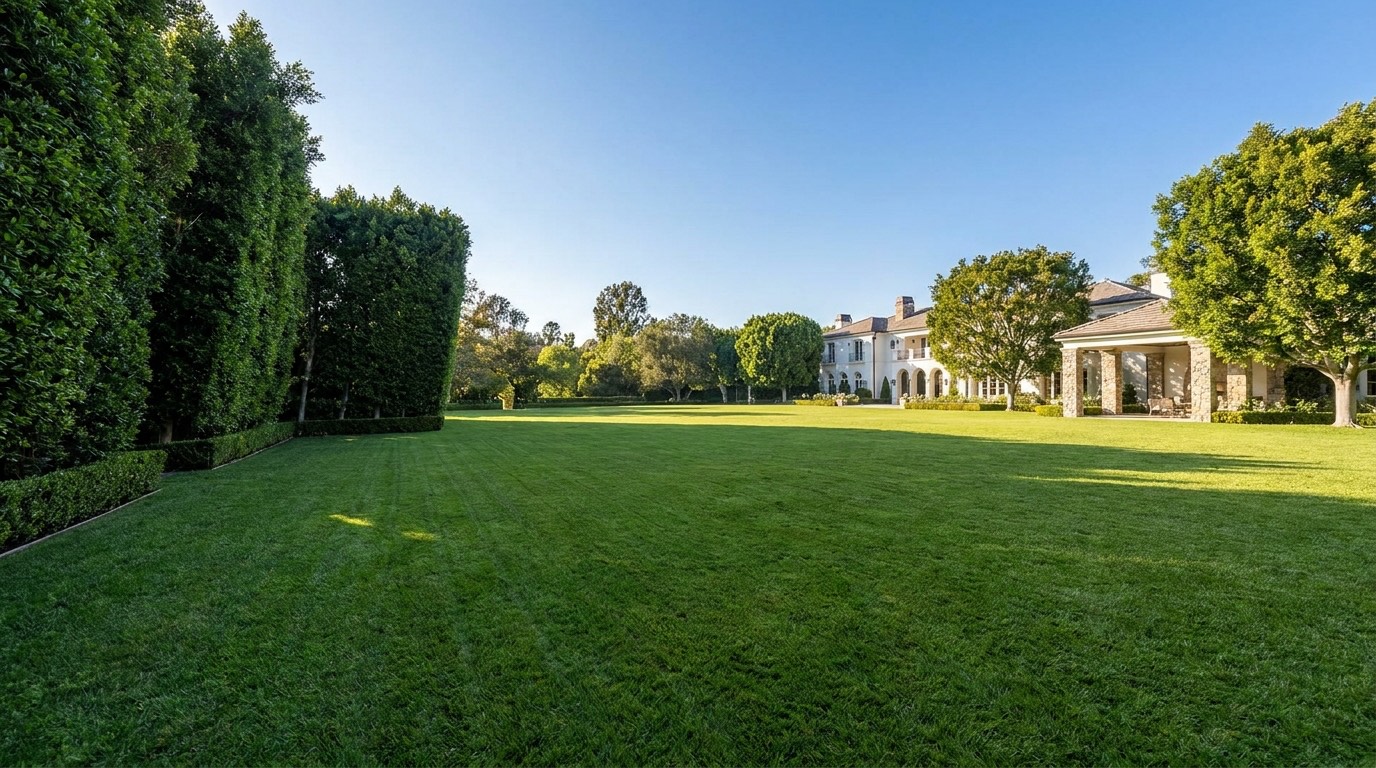
Lot sizes in Bel Air don’t follow a single predictable pattern, and that’s tied to both the neighborhood’s decades-long development history and zoning rules that differ between its flatter and hillside portions.
Why Lots Vary So Much From One Address to the Next
Bel Air was developed in phases starting in the 1920s, with larger estate lots near Sunset and progressively more varied, terrain-driven parcels further up into the hills. Unlike a flatland tract neighborhood subdivided into consistent, repeatable lots, Bel Air’s parcels differ meaningfully in size, shape, and usable buildable area from one street to the next, even within the same general area. Always look past the raw square footage listed and ask specifically what portion of a lot is actually usable and buildable.
Hillside Zoning Ordinances Apply to Bel Air’s Upper Portions
Los Angeles applies specific hillside ordinances to the steeper, upper reaches of Bel Air, covering things like grading limits, height restrictions tied to the slope of the lot, and standards for driveway width and emergency access. These rules exist because building on steep terrain carries real safety and infrastructure considerations that don’t apply on flat ground. If you’re considering any addition, rebuild, or major renovation on a hillside lot, confirm the specific ordinance that applies to that address early, before you fall in love with a design concept the lot’s zoning won’t actually support.
Setbacks and Height Limits Get Complicated on a Slope
On a flat estate lot near Sunset, setback and height rules are relatively simple to apply. On a hillside lot further up, height is often measured differently depending on which side of the structure you’re looking at, and setbacks can interact with grading limits in ways that aren’t obvious from a standard zoning summary. This is genuinely worth a conversation with an architect or permit expediter who specifically works hillside estates in LA, rather than assuming general zoning knowledge transfers cleanly.
HOA Rules Layer on Top of City Zoning in Some Pockets
Bel Air Crest and similar guard-gated, HOA-run pockets add another layer of rules on top of standard city zoning, architectural review committees, landscaping standards, and sometimes restrictions on additions or ADUs that go beyond what the city itself requires. Buyers considering these areas should review the HOA’s governing documents directly, not just the city’s zoning code, before assuming a renovation or expansion plan is workable.
ADU and Expansion Potential Varies Case by Case
Accessory dwelling unit rules apply citywide, but slope, access constraints, existing structure placement, and any applicable HOA restrictions can limit what’s actually feasible on a given Bel Air lot far more than they would on flat, unrestricted ground. This needs a real site-specific check, not a general assumption based on lot size alone.
Fire Zone Designations Can Layer Additional Rules
Beyond standard hillside zoning, parts of Bel Air fall within designated fire hazard severity zones, which can add requirements around defensible space, roofing materials, and vegetation clearance on top of the general hillside ordinance. These rules exist for genuine safety reasons given the surrounding brush, and they’re worth understanding upfront rather than discovering mid-renovation. Our earthquake and flood risk guide for LA homes touches on natural hazard zoning more broadly, which pairs well with a fire-zone check specific to a given Bel Air address.
What to Confirm Before You Buy With Expansion in Mind
If part of your reason for buying is future expansion, a pool house, tennis court, additional structure, or an ADU, confirm the zoning, grading feasibility, and any HOA restrictions before you’re under contract, not after. A pre-purchase conversation with an architect or the city’s permitting department about a specific lot can save you from buying a property that can’t actually support the plans you had in mind.
Considering a Bel Air lot with future building plans in mind. Efrat serves buyers and sellers across Los Angeles, including Bel Air, and can help connect you with the right resources to check feasibility before you commit. Get in touch to start that conversation.
