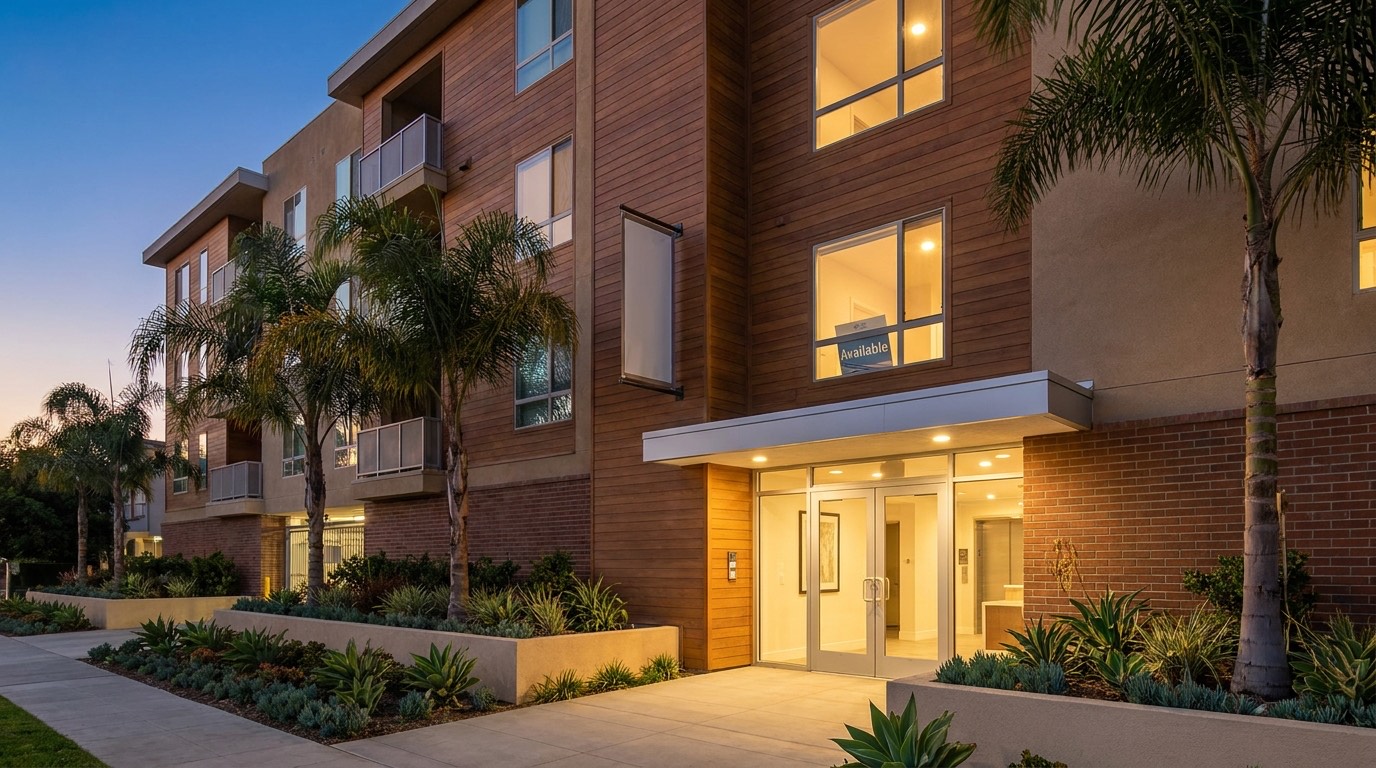
Mid Wilshire’s rental market runs on a different set of forces than a beach neighborhood or a hillside suburb. It’s built around a historic apartment corridor, a genuine cultural anchor in Museum Row, and now a transit upgrade that’s still working its way into how people think about the area. Here’s what actually shapes rents here.
A Historic Apartment Corridor Is the Backbone of This Market
Wilshire Boulevard through this stretch of Los Angeles developed heavily during the city’s prewar and mid-century apartment boom, and that history still defines the housing stock. Art Deco and mid-century buildings, many of them multi-story and built specifically as rental apartments, make up a much larger share of Mid Wilshire’s inventory than single-family homes. If you’re evaluating a unit here as an investment rather than a place to live, our overview of investing in LA rental property covers the fundamentals worth checking before you commit capital to this kind of building stock specifically.
Museum Row Is a Genuine, Walkable Demand Driver
LACMA, the Petersen Automotive Museum, the Academy Museum of Motion Pictures, and the La Brea Tar Pits all sit within the same walkable stretch of Wilshire, and that concentration of cultural institutions is a real reason renters choose this specific corridor over a comparable central-LA location without it. Museum and entertainment-industry staff, along with residents who simply want that access on a regular basis, make up a meaningful part of the renter pool here.
Larchmont Village Adds a Boutique, Walkable Draw to the North
Just north of the Museum Row stretch, Larchmont Village’s boutique shopping and dining street pulls renters who want a walkable, small-scale commercial strip within easy reach without paying Larchmont’s own premium directly. That proximity effect shows up in rents on the Mid Wilshire blocks closest to the village, even though the units themselves sit in a different, less expensive neighborhood.
The Metro D Line Extension Is a Real, Still-Developing Factor
New subway stations along Wilshire have given this corridor a level of rail transit access it didn’t have before, connecting it more directly to Koreatown, Downtown, and eventually the Westside as the line’s phases complete. Transit access like this typically supports rental demand over time for units within a real walk of a station, though it’s still a relatively new factor here rather than one with a long track record to point to.
Rent Stabilization Covers a Real Share of the Older Stock
Because so much of Mid Wilshire’s apartment inventory predates 1978, a meaningful portion of it falls under the City of Los Angeles rent stabilization ordinance, which limits how much and how often rent can increase and adds real process requirements around eviction. This matters to renters trying to understand their rights and to owners underwriting a purchase who need to know what they can and can’t do with an existing tenancy. Confirm the exact status of any specific building rather than assuming based on the block.
Condo Rentals Behave Differently From the Older Apartment Stock
Alongside the prewar apartment buildings, Mid Wilshire also has a share of condo units that owners rent out, and those come with their own HOA rules, some of which restrict rentals or limit lease terms. Anyone planning to rent out a condo purchase here should confirm the building’s specific rental policy before assuming it works the same way a standalone apartment building would. Our breakdown of HOA fees is worth a read if a condo rental is part of the plan.
What This Looks Like for Someone Searching for a Rental Right Now
If you’re apartment hunting in Mid Wilshire rather than evaluating it as an investment, expect a genuine range: older, unrenovated units in rent-stabilized buildings at one end, and renovated or newer condo product at the other, with price and amenities shifting accordingly. Units closest to Museum Row and the new Metro stations tend to draw more competition than blocks further from either anchor, so it’s worth being clear on which of those two draws actually matters most to your daily life before you start touring.
The Honest Read on Where This Market Is Headed
A dense, transit-improving corridor anchored by a genuine cultural destination is a reasonable setup for a rental market that holds up over time, even without a long track record on the newest Metro stations yet. That’s worth factoring into a long-term hold, though it’s not a guarantee, and rent stabilization rules can shape the upside on any given building more than the neighborhood’s broader trajectory does.
If you’re looking at a Mid Wilshire property as a rental, whether to live in or hold as an investment, reach out to Efrat. She serves buyers and sellers across Los Angeles, including Mid Wilshire, and can help you think through what a specific property would realistically rent for and what to check before you commit.
