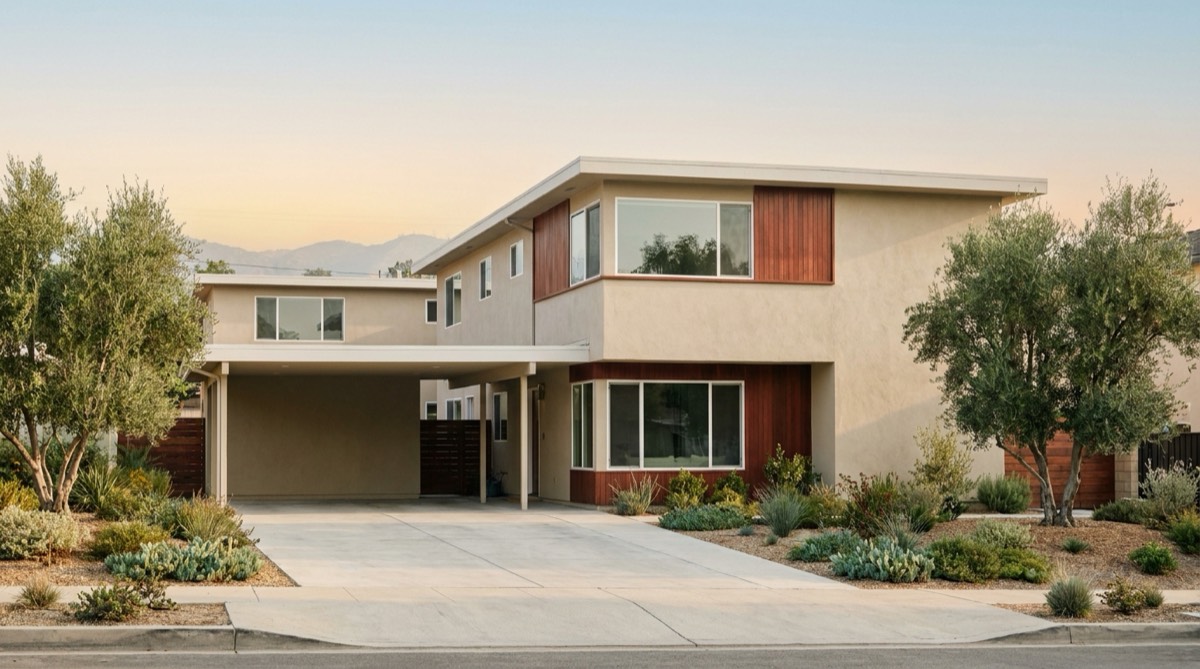
The San Fernando Valley has a good mix of duplexes, triplexes, and small apartment buildings, and evaluating any one of them takes more than a neighborhood name and a gut feeling. This is the exact conversation Efrat has with Valley investors who come in with a ranking they found online and want to know if it actually holds up on a specific property.
Price-to-Rent Ratio Is Your First Filter
Divide the purchase price by the annual rent the property currently generates or could reasonably generate. A lower ratio generally signals a property with better cash flow potential relative to its price, while a high ratio often means you’re paying more for appreciation potential than for current income. Run this number for every property you seriously consider, not just the ones that look good on paper.
Vacancy Patterns Tell You More Than a Single Snapshot
Ask the seller or listing agent for actual occupancy history over the past two to three years, not just the current rent roll. A building that’s had steady turnover or extended vacancies has a story behind it, sometimes it’s a management problem you can fix, sometimes it’s a location or condition issue you can’t. Get the real history before you assume today’s snapshot is representative.
Zoning Determines What You’re Actually Allowed to Build
Before you buy assuming you can add units or an ADU, confirm the property’s actual zoning designation and what it currently allows. Los Angeles has expanded ADU and multi-unit zoning in various areas over recent years, but the specifics vary by parcel and change over time, so verify current zoning directly with LADBS or a zoning attorney rather than relying on what a neighbor’s property was able to do.
Don’t Skip a Real Cash Flow Model
Model actual cash flow using real numbers: mortgage, property taxes, insurance, maintenance reserves, and realistic vacancy allowance, not just gross rent minus mortgage payment. A property that looks profitable on a simplified spreadsheet can look very different once you account for a vacancy month or an unexpected repair.
Skip the Rankings, Run the Numbers on the Specific Property
You’ll find plenty of claims online about which Valley neighborhood has the “best ROI,” almost always based on data that’s either outdated or too broad to apply to a specific property. The more useful approach is running price-to-rent, vacancy history, and zoning on the actual property you’re considering, in the actual neighborhood, rather than trusting a ranking that doesn’t account for the building’s specific condition or your financing.
If you’re evaluating a multi-family property anywhere in the Valley, get in touch and Efrat can help you pull the real numbers before you make an offer.
