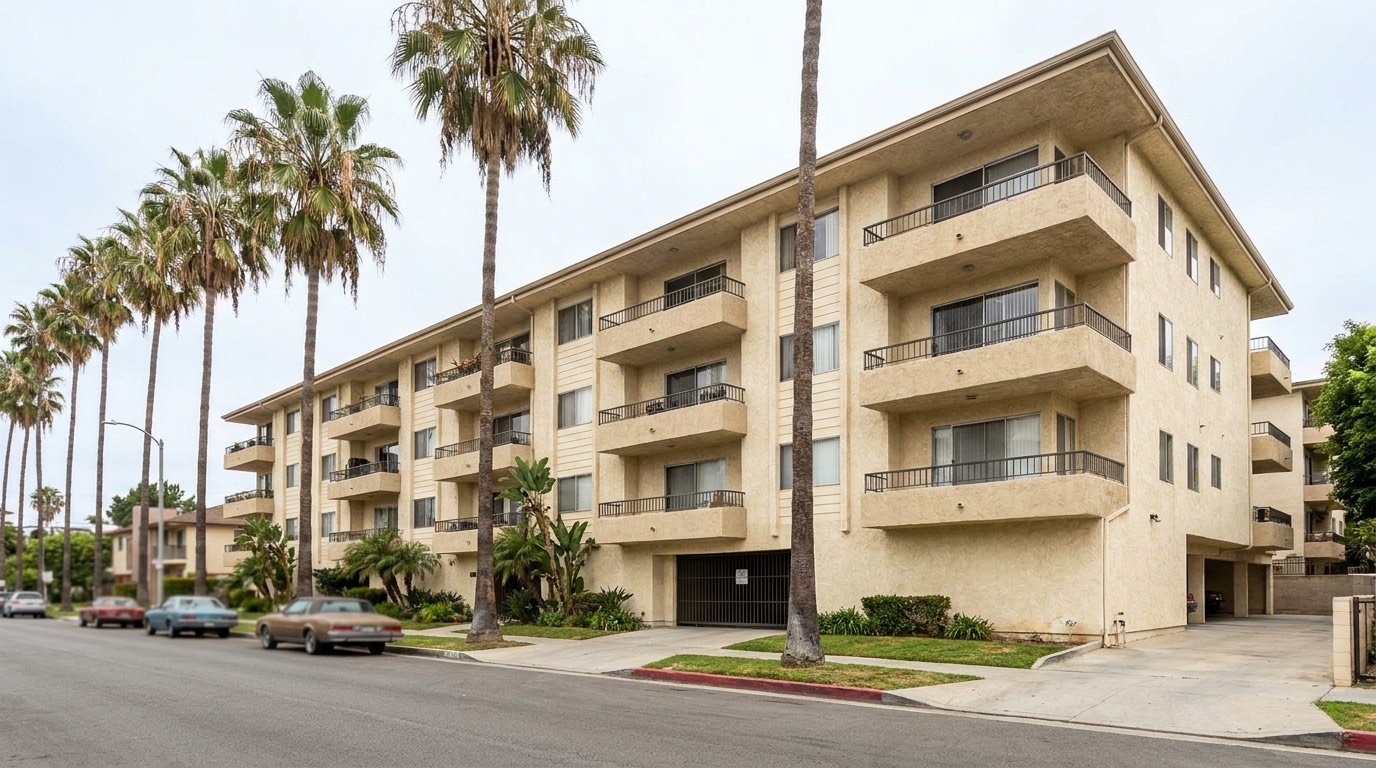
One of the most common mix-ups buyers, sellers, and investors make in this part of LA is assuming Santa Monica’s rent control works the same as the City of Los Angeles’s citywide rent stabilization ordinance. It doesn’t. Santa Monica runs its own separate system, and understanding that distinction matters before you make assumptions about a specific property. For the broader statewide picture, including AB 1482, see our general guide to rent control and landlord-tenant law in California first. This post focuses specifically on what’s different about Santa Monica.
Santa Monica Has Its Own Rent Control Board
Santa Monica’s rent control ordinance is administered by the Santa Monica Rent Control Board, a body specific to the city, separate from the City of Los Angeles Housing Department that oversees LA’s citywide rules. This isn’t a minor administrative detail. It means the rules, the coverage criteria, and the process for handling disputes are genuinely distinct systems, not two names for the same thing. A landlord or tenant familiar with LA’s system shouldn’t assume it transfers over to a Santa Monica property.
Coverage Generally Depends on Building Age, Confirmed Separately
Similar in concept to LA’s ordinance, Santa Monica’s rent control generally applies based on factors like when a building was constructed, with newer construction typically falling outside coverage. But because the two ordinances are administered separately, a building’s status under LA’s rules tells you nothing about how a comparable building would be treated under Santa Monica’s ordinance. Confirm a specific property’s coverage status directly with the Santa Monica Rent Control Board.
This Matters for Both Renters and Owners
For renters, understanding which system covers a unit affects what protections around rent increases and eviction actually apply. For owners and investors, it affects underwriting. A rent-controlled unit under Santa Monica’s ordinance carries different constraints on rent growth and turnover than a comparable non-covered building, and getting this wrong in a purchase analysis can meaningfully skew a projected return. This is one more reason the Santa Monica rental market overview treats rent control as a first-order factor rather than a footnote.
Why the Distinction Trips People Up
Because Santa Monica sits right next to the City of Los Angeles geographically, and because both cities have some form of rent control, it’s an easy assumption that the rules must be roughly the same. They’re administered by different bodies with different specifics, and treating them as interchangeable is a real source of mistakes, both for someone managing a rental and for an investor underwriting a purchase.
Confirm Current Specifics Directly, Not From a General Summary
Rent control rules, allowable increase calculations, and eviction protections shift over time in any jurisdiction, and Santa Monica’s ordinance is no exception. This post is meant to establish the key distinction, that Santa Monica runs its own separate system, not to serve as a substitute for current, property-specific guidance. Confirm the current rules directly with the Santa Monica Rent Control Board, or with an attorney who handles landlord-tenant matters in Santa Monica specifically, before you rely on anything here for an actual property decision.
What This Means for a Purchase or Sale
If you’re buying, selling, or holding a rental property in Santa Monica, treat its rent control status as something to verify early in the process, not something to assume based on general knowledge of LA rent control or a building’s apparent age. Getting a direct answer from the Santa Monica Rent Control Board protects you from underwriting a purchase around assumptions that don’t hold up.
If you’re navigating a Santa Monica property with rent control questions, reach out to Efrat. She serves buyers and sellers across Los Angeles, including Santa Monica, and can help you think through the practical side and point you toward the right resources to confirm specifics.
