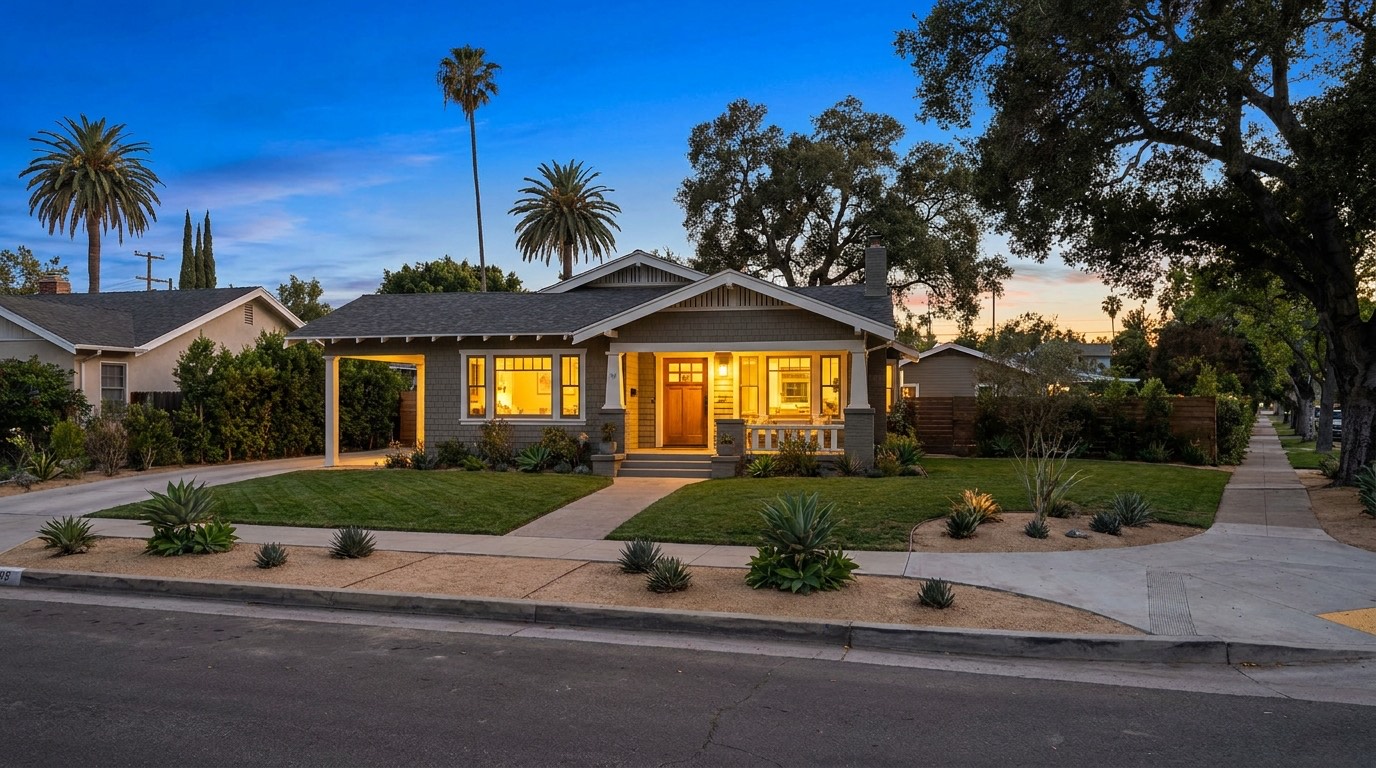
Selling in Studio City isn’t a single playbook, because the neighborhood itself isn’t a single type of home. A condo near Ventura Blvd, a single-family home in the flats, and a hillside property with a view all draw different buyers, and a sale that ignores that difference tends to underperform one that leans into it.
Know Which Buyer Pool You’re Actually Selling To
Before you plan your marketing, get clear on who’s realistically shopping for your specific property. A condo buyer near Ventura Blvd is often prioritizing walkability and low maintenance. A flatland single-family buyer is often thinking about space and schools. A hillside buyer is often paying for privacy and a view. Your listing strategy should speak to whichever of those groups actually fits your home.
Views and Privacy Sell Hillside Properties
If your home sits in one of Studio City’s hillside pockets, photography and copy should lead with the view and the sense of separation from the street below. That’s the emotional pull that gets a hillside buyer to schedule a showing in the first place. Our staging guide covers how to think about which upgrades are actually worth making before you list.
Walkability Sells Ventura Blvd-Adjacent Homes
For a home closer to Ventura Blvd, the pitch is different: proximity to restaurants, shops, and daily life without needing a car for everything. Buyers looking in this pocket are often coming from a walkable neighborhood elsewhere and specifically want to keep that. Lean into it in your listing description rather than treating location as a footnote.
HOA Documentation Matters for Condo Sales
If you’re selling a condo, have your HOA financials, reserve fund status, and any pending assessments organized and ready before you go live. Buyers and their agents will ask, and a seller who has this ready upfront moves faster through escrow than one scrambling to pull documents mid-transaction.
Permit History Deserves Extra Attention on Older Homes
Given how much of Studio City’s housing stock has been renovated in pieces over the years, sellers should be especially thorough with disclosures around past work, permits, and, on hillside properties, any retrofit or grading history. Our seller disclosure requirements guide covers the general legal standard, and getting ahead of it here reduces the odds of a deal falling apart during a buyer’s inspection period.
Pricing Needs to Match the Property Type, Not a Neighborhood Average
Generic Studio City comps rarely tell the full story, since a condo, a flatland home, and a hillside property with a view can sit at very different price points even a few blocks apart. We go deeper on Studio City-specific pricing in a separate post, and cover the general fundamentals in our core pricing guide.
Timing Should Match Your Property Type Too
Just as marketing strategy differs by property type, so does the ideal timing for your listing. A flatland family home might do better listed with a runway before the school year starts, while a hillside property or condo isn’t tied to that same calendar. Our best time to sell guide goes deeper into how to think through timing for your specific property.
Choose an Agent Who Works Across All Three Property Types
Because Studio City’s buyer pools and marketing needs differ so much by property type, it’s worth choosing an agent who’s genuinely comfortable selling condos, flatland homes, and hillside properties, not one who mostly works in a single lane. An agent with that range can more accurately position your specific home and set expectations that actually match your property type, rather than applying a one-size-fits-all approach borrowed from whichever category they usually work in.
If you’re considering selling in Studio City, reach out to Efrat. She serves buyers and sellers across Los Angeles, including Studio City, and can build a marketing approach suited to your specific property and the buyer pool it’s actually competing for.
