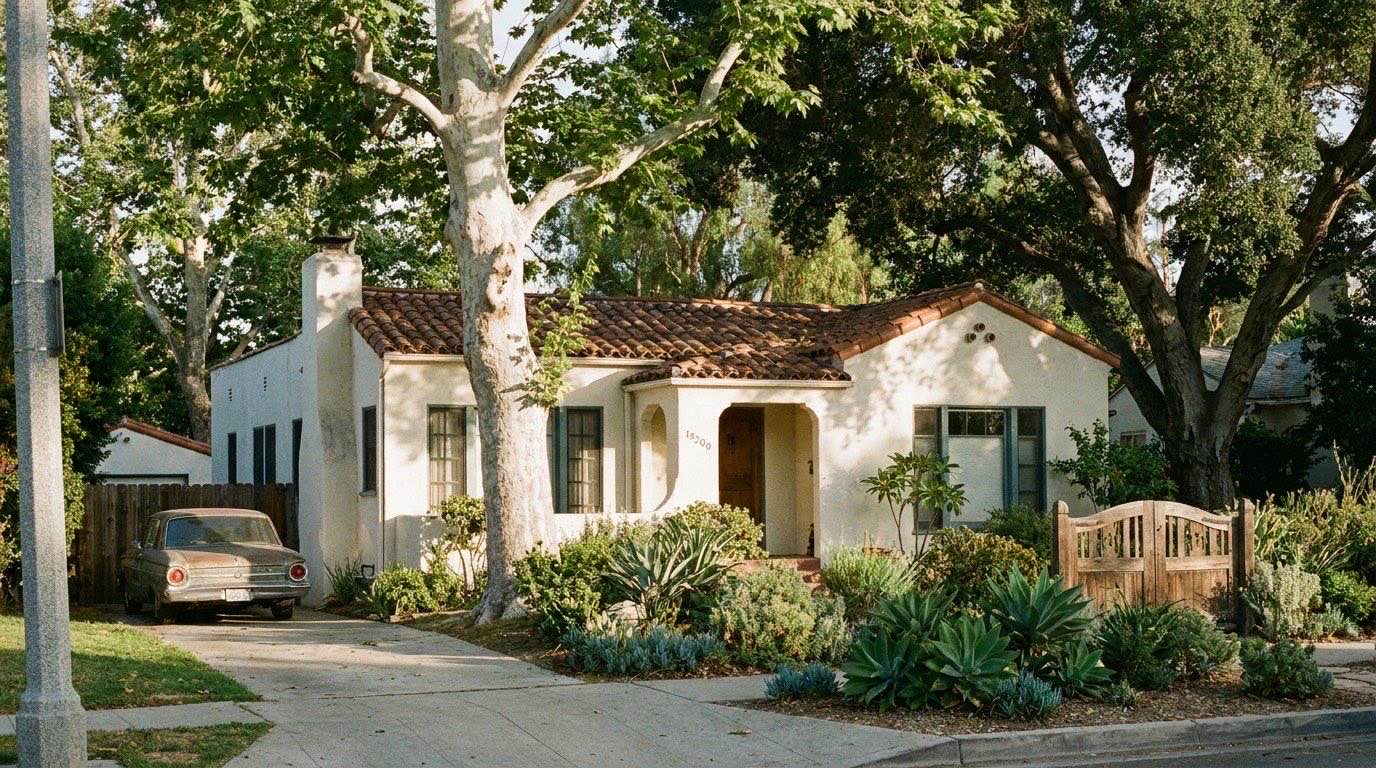
Selling an inherited or long-held home in Culver City often comes with more emotional weight and more unknowns than a standard sale, especially when the property has been in one family for decades. The good news is that Culver City’s steady demand, driven by proximity to Sony, Amazon, and the surrounding job corridor, means these properties tend to draw real buyer interest even when they need work.
Start With What You Actually Know About the Property
If you inherited the home or it’s been held in your family for a long time, you may not have full records on past renovations, additions, or repairs. That’s normal, and it doesn’t mean you can’t sell honestly. Disclose what you do know, and note clearly where records are incomplete rather than guessing or leaving gaps unaddressed. Our seller disclosure requirements guide covers the general legal standard for California sellers.
Confirm Whether Probate Applies to Your Situation
Depending on how the estate was structured, an inherited property may need to go through formal probate before it can be sold, which affects your timeline and the process itself. This is worth confirming with an estate attorney early, before you start planning a listing timeline you might not be able to hit.
Decide Between As-Is and a Light Renovation
Given how much active demand there is for property in Culver City right now, some inherited homes genuinely sell well as-is, particularly to buyers or investors who were already planning their own renovation. Others benefit from a light refresh, paint, decluttering, minor repairs, before listing. Which path makes sense depends on the specific property’s condition and your timeline, worth a direct, honest conversation with your agent rather than assuming either extreme is automatically right.
Understand the Real Cost of Selling Before You Decide
Between commission, closing costs, and any repairs or credits you might negotiate, your actual net proceeds from selling an inherited Culver City home can look different than the list price suggests. Our inherited home selling guide and our cost of selling breakdown are worth reviewing before you commit to a strategy.
Weigh an Open Market Listing Against a Direct Investor Sale
An open market listing, even for a property that needs work, often nets more given how much demand Culver City sees right now, but it takes longer and requires more preparation. A direct sale to an investor can close faster with less upfront work on your end, but usually at a lower price. The right choice depends on how much you value speed and certainty versus maximizing what you walk away with.
Consider What Buyers Value in an Older Culver City Home
A long-held home often carries genuine character, mature landscaping, an established lot, a layout from an era before open-concept became standard, and some of that can be a selling point rather than a liability, especially to buyers drawn to Culver City’s older residential streets. It’s worth talking with your agent about which original features to highlight rather than assuming everything dated needs to be erased before a buyer will take the property seriously.
Get the Financial and Legal Pieces Sorted Early
Inherited property sales often involve multiple heirs, estate considerations, and sometimes tax questions that a standard sale doesn’t. Loop in an estate attorney or tax professional early in the process, before you’re deep into a listing timeline, so those pieces don’t create delays later.
If you’re navigating the sale of an inherited or long-held home in Culver City, reach out to Efrat. She serves buyers and sellers across Los Angeles, including Culver City, and can help you think through your options with the specifics of your situation.
