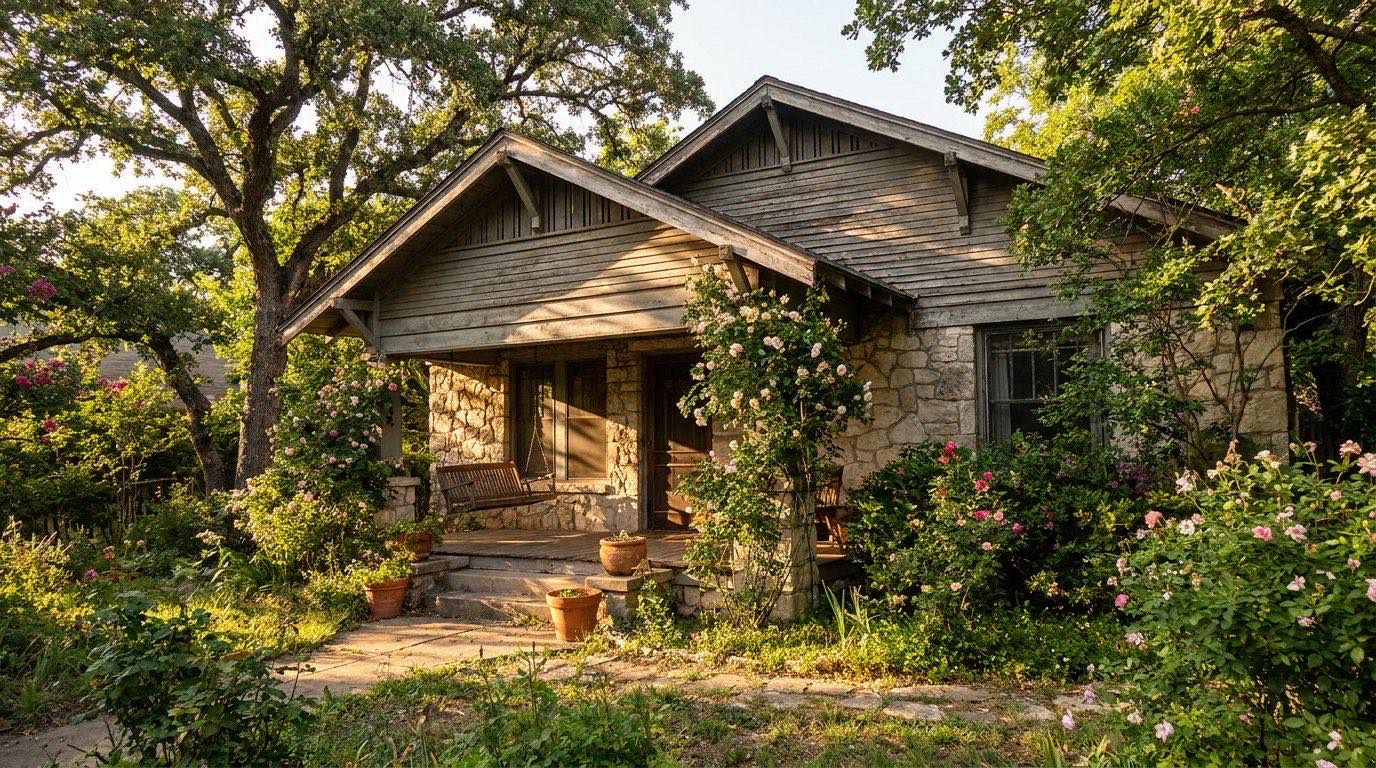
Selling a home that’s been in the family for years, or one you’ve inherited, brings a different set of questions than a standard sale. In Mid Wilshire, that often means sorting through probate or trust requirements, understanding a property’s historic status, and deciding how much updating actually makes sense before listing.
Confirm the Legal Path Before You List
How the property passed to you, through a trust, joint tenancy, or a will requiring formal probate, determines what legal steps need to happen before you can sell. This isn’t something to guess at. Confirm the specific requirement with a probate attorney or the estate’s executor early, since it can affect your timeline more than almost any other factor in the sale.
Check Historic Status Before You Market the Property
Long-held single-family homes near Larchmont and the museum row area sometimes carry historic designation that the family may not have actively thought about in years. Confirm the property’s status with the city before you finalize marketing materials or make claims about renovation potential, since designation affects what a buyer can and can’t do with the property going forward.
Original Condition Isn’t Automatically a Liability
A home that’s been in the family for decades without major updates isn’t necessarily a hard sell in this part of LA. Buyers drawn to Mid Wilshire’s historic single-family stock sometimes specifically want original details and renovation potential rather than a fully modernized interior. Talk with your agent honestly about whether your specific property’s condition is a selling point or something to address before listing.
Get the HOA Account Current if You Inherited a Condo
If the inherited property is a condo, request a full HOA statement before listing to confirm dues are current and to identify any pending special assessments. An HOA account with unresolved issues can complicate or delay closing, and it’s much easier to resolve those issues before you have a buyer in escrow than during the transaction itself.
Understand Your Tax Basis Before Setting a Price
Inherited property typically receives a stepped-up tax basis at the time of the original owner’s passing, which affects your capital gains calculation on sale. This is a conversation worth having with a tax professional early, since it can meaningfully affect your net proceeds and how you think about pricing and timing. Our broader guide to selling an inherited house in California covers the general mechanics in more depth.
Decide What’s Worth Updating Before You List
With an older, long-held property, it’s worth being selective about which updates actually improve your sale outcome versus which ones cost more than they return. Our staging and renovation ROI guide is a useful framework for that decision, especially when family members may have different opinions about how much to invest before selling.
Disclosures Still Apply, Even With Limited Firsthand Knowledge
If you didn’t live in the home yourself, disclosing known issues can feel harder since your firsthand knowledge may be limited. Work with your agent to disclose everything you reasonably know or can find out through available records, since California’s disclosure requirements still apply regardless of how long you personally lived in the property. Our seller disclosure requirements guide covers the legal standard in full.
Give Family Members Time to Process the Decision
Selling a long-held family home is rarely just a financial transaction, especially when multiple heirs are involved and each may feel differently about letting go of the property. Building in reasonable time for those conversations before locking in a listing date tends to lead to a smoother process than rushing toward a sale before everyone involved feels ready to move forward.
If you’re navigating the sale of an inherited or long-held home in Mid Wilshire, reach out to Efrat. She serves sellers across Los Angeles, including Mid Wilshire, and can help you work through the process with the sensitivity these situations deserve.
