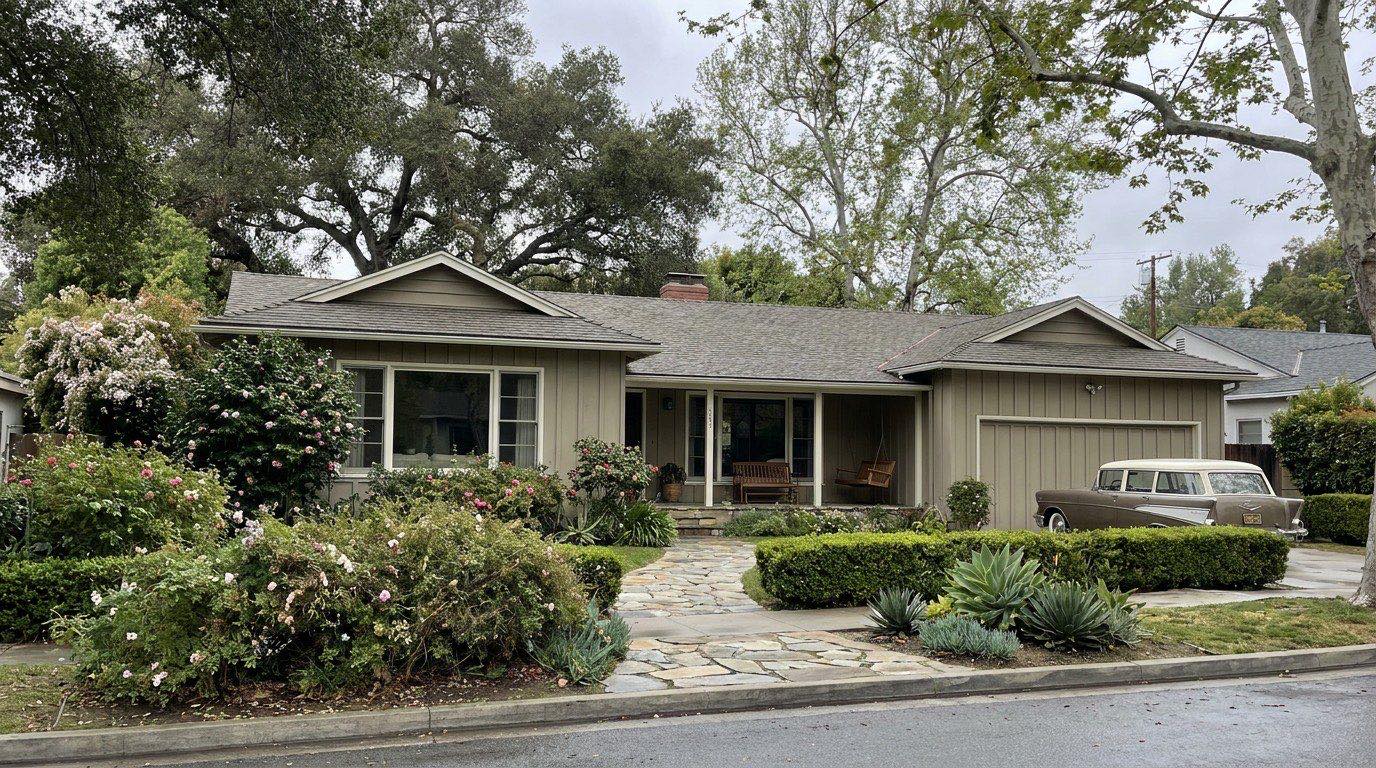
Selling a home you’ve inherited, or one your family has held for decades, is a different process than a straightforward market sale. In Studio City specifically, that often means sorting through incomplete records on a property that may have been through partial renovations, unclear permit history, or, if it’s a hillside home, questions about grading and retrofitting that nobody currently living tracked closely.
Confirm the Legal Path Before You List
Depending on how the property was titled, whether it passed through a trust, joint tenancy, or a will requiring probate, there’s a specific legal process to work through before you can sell. This is worth confirming with a probate attorney early, since the legal timeline directly affects when you can actually put the home on the market. Our guide to selling an inherited house in California covers the general mechanics of this process.
Fill Disclosure Gaps Honestly, Not With Guesses
Inherited and long-held homes often come with incomplete history. You may not know exactly when the roof was replaced or whether a past renovation was permitted. Disclose what you genuinely know, be clear about what you don’t, and use inspections and permit record searches to fill in the gaps rather than guessing on a disclosure form. Our seller disclosure requirements guide covers what California law actually requires.
Hillside Properties Need Extra Verification
If the inherited home sits on a hillside lot, and a lot of Studio City’s hillside stock has been in the same family for a long time, current grading, drainage, and retrofit status may not be something anyone currently involved actually knows. It’s worth having a specialist assess the property before you list, both for accurate disclosures and for your own protection during the sale. Our hillside homes post walks through what that assessment typically covers.
Weigh Renovating Against Selling As-Is
Depending on the home’s condition and your own timeline, it’s not always worth renovating before you sell. Some inherited properties do better listed as-is with pricing that reflects the condition honestly, especially if the family doesn’t want to manage a renovation from a distance or under time pressure. Run the actual numbers on your specific property, our pricing guide is a useful starting point, before deciding either way.
Clear Out Decades of Belongings Before You List
Long-held family homes often carry decades of accumulated belongings, which can make a property hard for buyers to picture clearly. Clearing the home out, even partially, before photography and showings tends to help it present better than trying to stage around years of stored items. If the volume feels overwhelming, an estate sale or a donation and haul-away service can move faster than trying to sort through everything room by room on your own timeline.
Understand the Tax and Cost Side Before You Commit to a Number
Selling an inherited property comes with its own tax considerations, and total selling costs matter for your net proceeds. Our cost to sell a house in California guide and our commission guide both cover what to expect on the cost side, worth reviewing alongside your accountant’s guidance on the tax side.
Coordinate Among Heirs Before You List
If the property is being inherited by more than one family member, get everyone aligned on the plan, pricing expectations, and timeline before you list, not after offers start coming in. Disagreements among heirs about price or process are one of the more common reasons inherited home sales stall out or fall apart. A short conversation upfront, ideally with the attorney handling the estate, saves a lot of friction later, and it gives everyone a shared understanding of the process before real decisions need to get made under time pressure.
If you’re navigating the sale of an inherited or long-held home in Studio City, reach out to Efrat. She serves buyers and sellers across Los Angeles, including Studio City, and can help you work through the process with the right professionals at each step.
