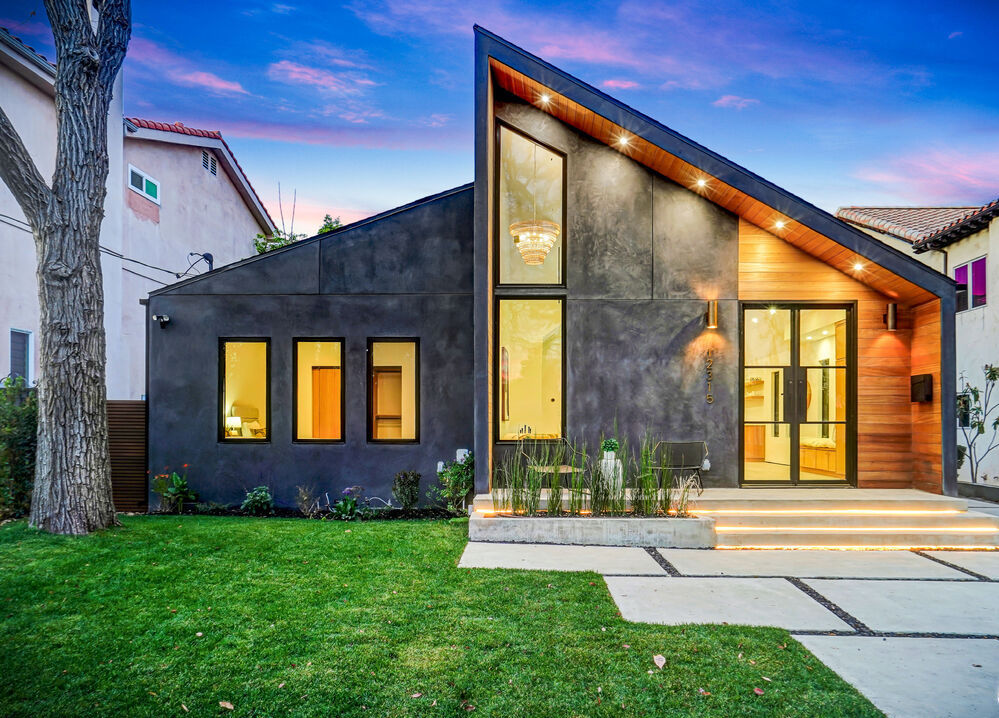
Valley Village sellers are usually competing against a specific, well-understood pool of buyers: people who already know the neighborhood and are comparing it directly against Sherman Oaks, Valley Glen, and Studio City. That affects how you should think about pricing and presentation.
Buyers Here Are Comparison Shoppers
Someone looking at Valley Village is very often also looking at 2 or 3 nearby Valley neighborhoods in the same search. That means your home isn’t just competing against other Valley Village listings, it’s competing against whatever’s active in Sherman Oaks and Valley Glen at the same price point. Pricing a shade too aggressively can push a buyer to simply look one neighborhood over instead of negotiating with you.
What’s Actually Closing Recently
Recent single-family sales in Valley Village give a real, grounded sense of where homes in the neighborhood have actually traded, a much better starting point for pricing your own home than a generic online estimate. Get in touch for a rundown of what’s closed on your specific street recently.
Tree-Lined Streets Are a Real Selling Point, Not Just Copy
Valley Village’s quiet, tree-lined residential character is one of its genuine differentiators from busier parts of the Valley. Good listing photography and description should lean into that rather than treating it as boilerplate. Buyers moving from busier neighborhoods notice it immediately during a showing.
Timing Around the School Calendar
Like most family-oriented Valley neighborhoods, Valley Village sees a real bump in serious buyer activity in spring, timed around families wanting to close before the next school year. Listing with that calendar in mind, rather than against it, tends to produce a shorter time on market.
If you’re thinking about selling in Valley Village, get in touch for a real pricing conversation based on what’s actually closing in the neighborhood right now.
