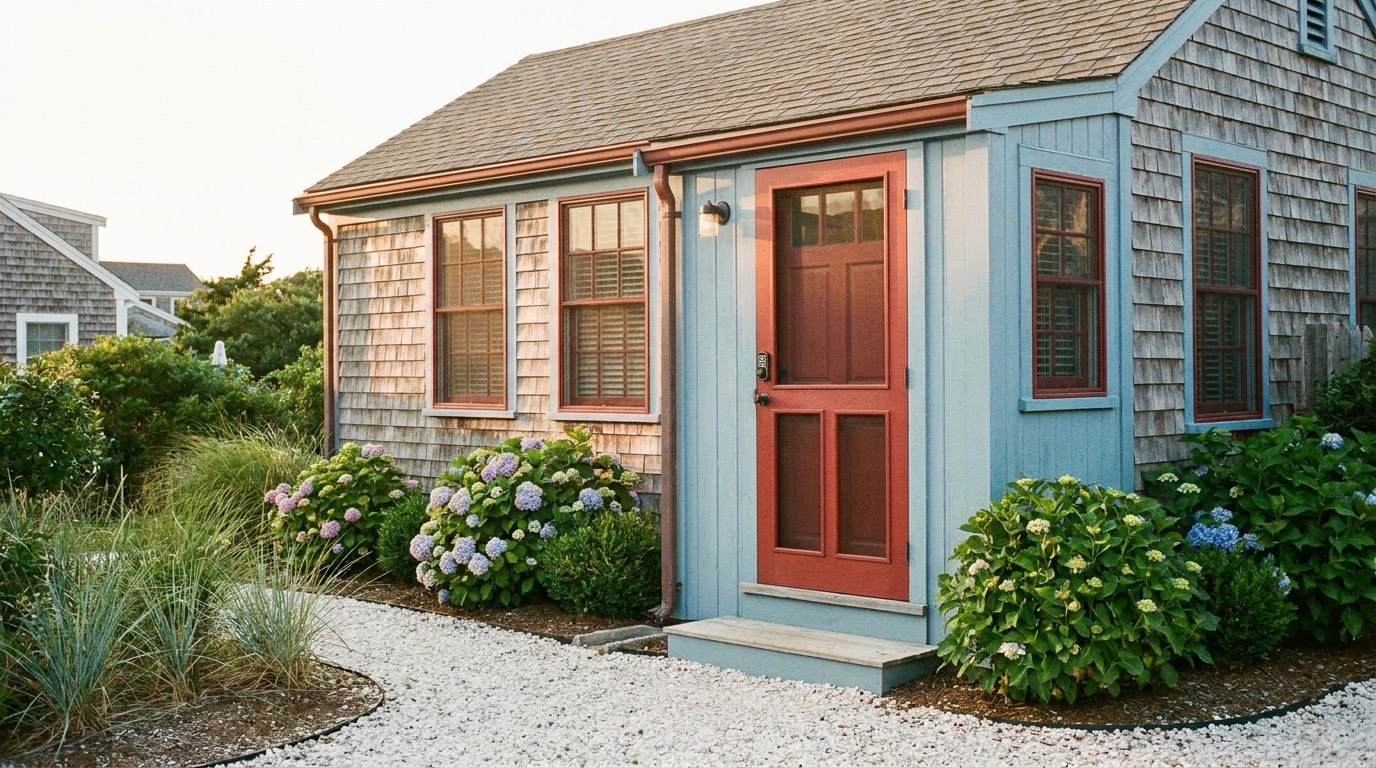
Playa Del Rey’s short-term rental picture starts with the same citywide rules that apply everywhere in Los Angeles, then adds a couple of things worth knowing specifically because of where the neighborhood sits. This post covers the Playa Del Rey-specific layer. For the full citywide mechanics, primary residence requirements, registration, and how city rules interact with building restrictions, read our general guide to Airbnb and short-term rental rules in LA first.
The Citywide Framework Still Applies Here
Playa Del Rey is part of the City of Los Angeles, so the same core rule applies: legal short-term rentals generally require the property to be the host’s primary residence, and hosts are generally required to register with the city. Nothing about Playa Del Rey’s small-town feel or its location exempts a property from that framework. If you’re new to LA’s short-term rental rules entirely, start with our general breakdown before reading further.
Coastal Zone Status Is Worth Confirming for a Specific Parcel
Because Playa Del Rey sits right on the coast, some parcels fall within the California Coastal Zone, which can bring an additional layer of review, separate from standard city permitting, for certain property changes near the water. Whether that layer meaningfully affects a short-term rental plan depends on the specific parcel and what you’re planning to do with the property. Confirm this directly rather than assuming either way, since coastal zone boundaries don’t map neatly onto a neighborhood name alone.
Wetlands-Adjacent Parcels Can Carry Their Own Review
Streets bordering the Ballona Wetlands Ecological Reserve can involve environmental review requirements that a standard purchase elsewhere in the neighborhood wouldn’t. That’s a separate consideration from short-term rental registration itself, but it’s the kind of thing worth confirming alongside the rental rules if you’re considering a wetlands-adjacent property.
LAX Proximity Shapes the Guest Experience, Not the Rules
Flight noise from LAX doesn’t change the legal requirements around short-term rental registration, but it’s genuinely worth disclosing honestly to prospective guests if you’re hosting near an active flight path. A guest who’s surprised by noise during their stay is more likely to leave a negative review, which matters for a host’s standing on any platform even though it has nothing to do with the underlying city rules.
HOA and Building Restrictions Apply on Condos
Some of Playa Del Rey’s condo buildings, particularly in the flats and closer to the Marina Del Rey border, come with HOA rules that restrict or prohibit short-term rentals on top of whatever the city allows. This is one of the most common ways a short-term rental plan falls apart anywhere in LA, and it applies here with the same force. Read the actual HOA documents for a specific property before assuming a short-term rental plan will work.
How This Should Factor Into a Purchase Decision
If short-term rental income is part of why you’re considering a Playa Del Rey property, treat it as a bonus you confirm before closing, not a given you assume going in. That means getting a straight answer on the property’s primary-residence status relative to your own plans, checking HOA documents line by line if it’s a condo, and confirming coastal zone and wetlands-adjacent status if you’re also planning any renovation.
Confirm Current Rules Before You Rely on Any of This
Short-term rental regulation and enforcement priorities shift over time, in Playa Del Rey and citywide. Before buying with a short-term rental plan in mind, or before relying on this for a property you already own, confirm the current registration process, coastal zone status, and building rules directly with the city or an attorney who handles this area.
If a Playa Del Rey property with short-term rental potential is on your radar, reach out to Efrat. She serves buyers and sellers across Los Angeles, including Playa Del Rey, and can help you think through what’s realistic for a specific property before you make an offer.
