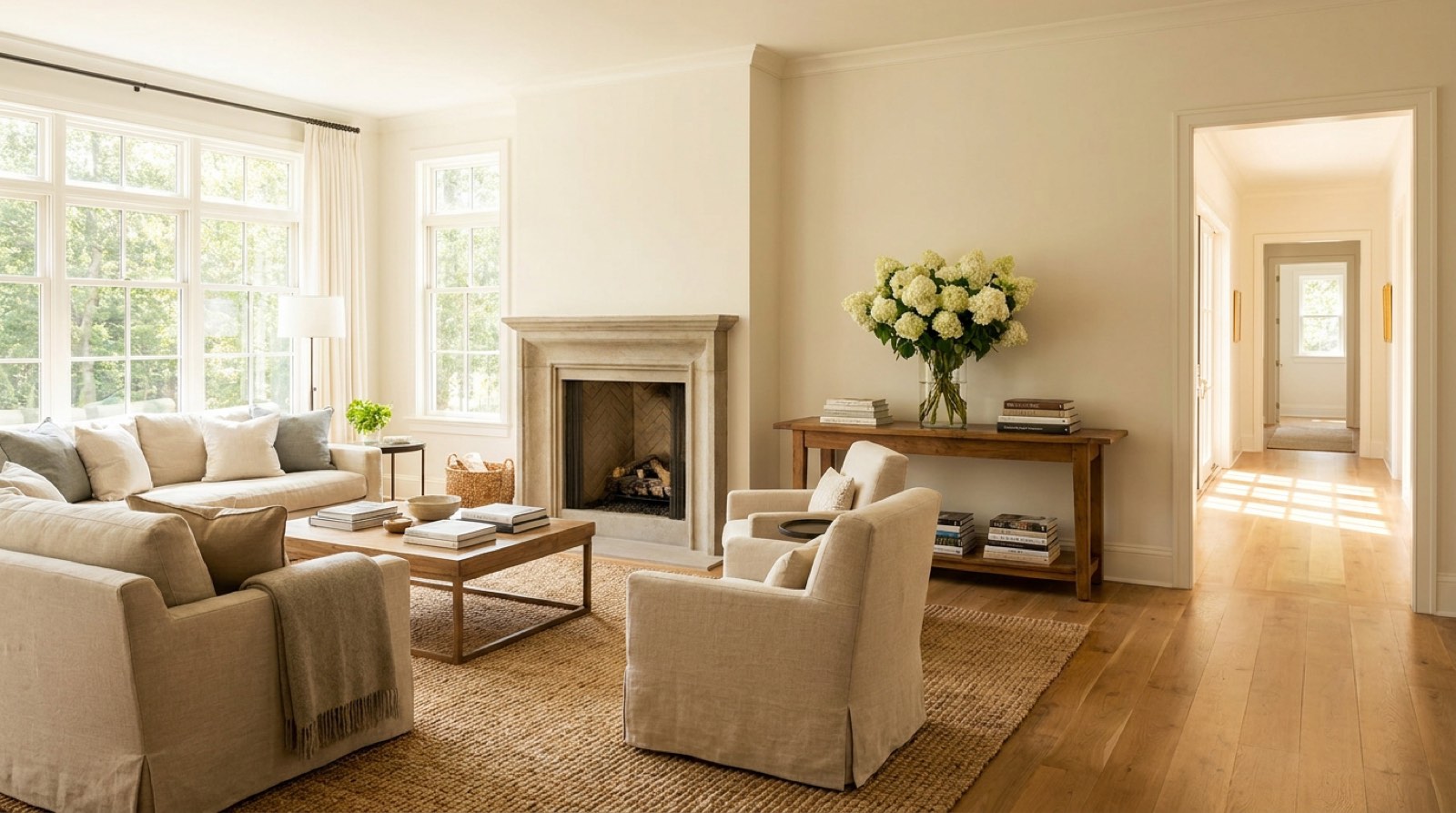
Sellers often assume the open house is the main event. In practice, it’s usually one tool among several, and it’s not always the one that produces the buyer.
What Open Houses Are Actually Good For
An open house creates a low-commitment way for buyers to see a home without scheduling anything through their agent, which widens the pool of people who walk through. It’s also useful early in a listing to generate visible activity and buzz, and to let neighbors and casual lookers through, some of whom talk to friends or family who become real buyers later.
What an open house rarely does is produce your final buyer directly. Most serious buyers who are actively working with an agent and ready to make an offer will schedule a private showing rather than wait for a weekend open house, especially in a competitive price range where timing matters.
What Private Showings Are Actually Good For
A private showing is scheduled by a buyer’s agent for a client who’s already qualified, already looked at the listing photos and details, and is seriously considering the home. These buyers tend to spend more time in the home, ask more specific questions, and are further along in their decision process than open house traffic.
This is why private showings, not open houses, are where most real offers originate. The open house builds awareness and activity. The private showing is where a buyer actually decides.
So Should You Do Both
In most cases, yes. Early in a listing, an open house or two helps build momentum and visibility, especially in the first weekend when a listing gets the most attention. Private showings run in parallel throughout, and continue to matter even after the open house traffic tapers off.
The mix shifts depending on your specific market and price point. In a fast-moving, low-inventory market, private showings from qualified buyers often do the heavy lifting, and an open house is more of a supplementary tool. In a slower market with more competing inventory, open houses can play a bigger role in generating the traffic needed to find a buyer at all. Your agent should be able to tell you, based on current conditions in your specific area and price range, how much weight to put on each.
How Many Showings Before an Offer
There’s no fixed number, and anyone who gives you one specific figure is oversimplifying. It depends heavily on your price point, condition, location, and how competitive your specific market is at the time you list.
That said, a general pattern holds across most markets: a home that’s priced and presented well tends to generate meaningful showing activity in the first one to two weeks, and the offer, if one comes, usually arrives within that same early window rather than after dozens of showings spread over months. If a home has had many showings without a single offer, that’s typically a signal, about price, condition, or presentation, worth addressing directly rather than waiting for the right buyer to eventually show up. Ask your agent for feedback after each showing. Buyer agents will often tell you plainly what’s holding their client back, and that feedback is more useful than the raw showing count.
What Low Showing Activity Usually Means
If a listing isn’t generating showings at all, the problem is almost always price, photos, or how the listing is being marketed, not bad luck. If showings are happening but no offers follow, the issue is more likely something buyers are seeing in person that isn’t obvious from photos, condition, layout, or a price that doesn’t match what they’re experiencing on the walkthrough. Either way, it’s a solvable problem, and it’s worth diagnosing early rather than waiting it out.
If you want a straight read on how your home is showing and whether your open house and showing strategy is working for your specific listing, get in touch.
