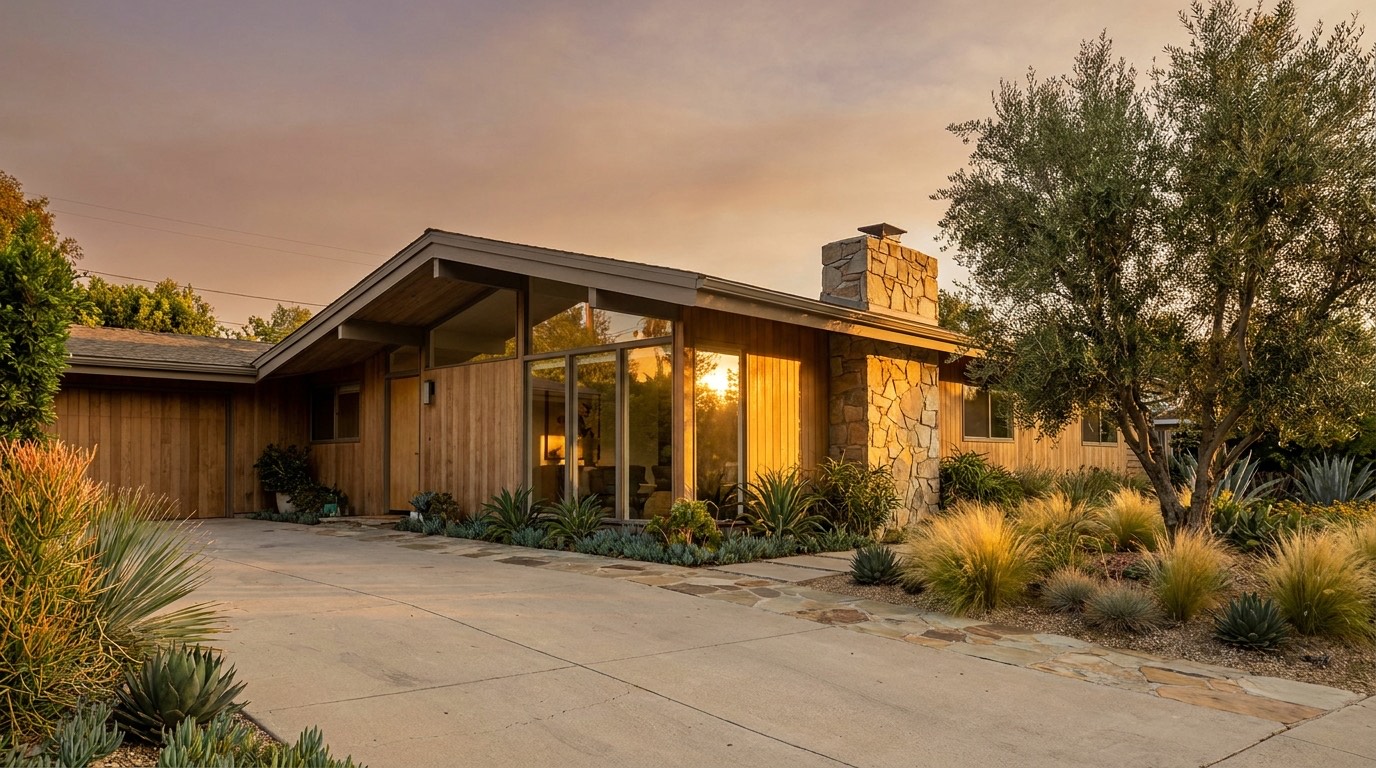
Studio City isn’t a single, uniform market. The hillside streets and the flats near Ventura Boulevard function almost like two different neighborhoods layered on top of each other, and buying here means understanding which one you’re actually shopping in before you start touring.
Start With the General Buying Process
If you haven’t already, the step-by-step guide to buying a house in California covers the mechanics that apply here exactly as they do anywhere else in the state, from offer to closing. This post focuses on what’s specifically different about doing that in Studio City.
Hillside Homes vs. the Ventura Boulevard Flats
Studio City’s north side climbs into the hills and leans toward single-family homes with more privacy, views, and often steeper, more irregular lots. The flats closer to Ventura Boulevard have a different profile entirely, with a meaningful supply of condos and townhomes alongside smaller single-family properties on more standard lots. These are genuinely different searches with different tradeoffs, and it’s worth deciding early which one actually matches what you’re looking for rather than treating “Studio City” as a single, uniform target.
Entertainment-Industry Demand Adds a Layer of Competition
Studio City’s proximity to CBS Studio Center and the Burbank studio corridor draws a specific pool of buyers working in entertainment, on top of the general demand any desirable Valley neighborhood attracts. That layered demand means well-located, well-priced listings, particularly those with an easy studio commute, can see real competition. Having financing lined up ahead of time and a clear sense of what makes an offer competitive matters as much here as anywhere else in this kind of market.
Hillside Properties Need a More Thorough Inspection
Hillside homes in Studio City can involve retaining walls, drainage systems, and foundation types that a standard flats-area home inspection doesn’t always cover in the same depth. It’s worth specifically confirming your inspector has hillside experience, and asking direct questions about slope stability, drainage history, and any prior retaining wall work on a specific property before you remove contingencies.
Pricing Varies More Than the Neighborhood Name Suggests
Which side of Ventura Boulevard a home sits on, how far up into the hills it climbs, and lot size all move price more than the general “Studio City” label does. A hillside home with a view and a condo a few blocks from the boulevard can carry very different price points despite sharing the same neighborhood name, so it’s worth comparing specific listings rather than anchoring on a single expected price for the area.
Financing Considerations for Condos and Townhomes
If you’re looking in the flats near Ventura Boulevard, a meaningful share of the inventory is condos or townhomes, which brings HOA review into the picture the same way it would in any condo-heavy search. It’s worth reviewing a building’s financial health and reserve status as part of your due diligence, alongside the usual mortgage pre-approval and down payment steps.
Timeline Expectations Once You’re in Escrow
Once an offer is accepted in Studio City, the escrow process runs on the same general timeline as anywhere else in California, though hillside properties can add a bit of extra time if additional inspections or reports on drainage or retaining walls come back needing follow-up. What happens after your offer is accepted and the escrow process explained both cover the general mechanics, and it’s worth budgeting a little extra flexibility into that timeline for a hillside purchase specifically.
Weighing Studio City Against Nearby Alternatives
Buyers comparing Studio City to neighboring Valley options often look at Sherman Oaks specifically, given the different balance of housing stock and price between the two. Sherman Oaks vs. Studio City breaks that comparison down in more detail if you’re still deciding between the two.
If you’re actively considering a purchase in Studio City, reach out to Efrat and she can help you figure out which part of the neighborhood, and which kind of property, actually fits what you’re after.
