Venice shares plenty in common with buying anywhere else in Los Angeles, but a few things about it genuinely change how you should approach the process.
Venice Is a Fast-Moving, Competitive Coastal Market
Coastal LA neighborhoods generally see strong demand relative to supply, and Venice is no exception, particularly for homes near the beach, the canals, or Abbot Kinney. That means well-priced, well-located listings can move quickly once they hit the market. Having your financing lined up and a clear offer strategy ready before you start touring matters more here than it would in a slower-moving market. If you haven’t already, it’s worth reviewing mortgage pre-approval and what makes an offer competitive before you start seriously looking.
Canal Lots Come With Their Own Quirks
The Venice Canals are one of the neighborhood’s most distinctive features, and homes along them can carry title history, easements, or shared-access details specific to the canal system itself. This isn’t something to guess at or assume is standard. A title company and, ideally, a real estate attorney with canal-lot experience should review anything parcel-specific before you remove contingencies, since these details vary from lot to lot rather than following one uniform rule.
Coastal Proximity Means Extra Due Diligence
Homes closer to the water can come with flood zone considerations that affect insurance requirements and cost, which is worth confirming early rather than assuming a standard homeowner’s policy covers everything. Ongoing exterior maintenance, driven by salt air and coastal humidity, is also worth asking about during your home inspection, since it can affect long-term upkeep costs in ways that don’t always show up in a quick walkthrough.
Short-Term Rental Rules Are Worth Confirming Upfront
If part of your interest in Venice includes the option of renting the home out short-term at some point, confirm current short-term rental rules and any building or HOA restrictions before you buy, since regulations in coastal LA neighborhoods have shifted over time and vary by specific property. This is a detail worth resolving during due diligence rather than assuming a specific use is automatically allowed.
What’s Different Here vs. a Standard LA Purchase
Beyond the canal and coastal specifics, the biggest practical difference in Venice is pace. Multiple-offer situations are common for the neighborhood’s more desirable inventory, and understanding contingencies before you’re in a competitive bidding situation puts you in a much stronger position than trying to figure it out mid-negotiation.
Building Age and Coastal Construction Considerations
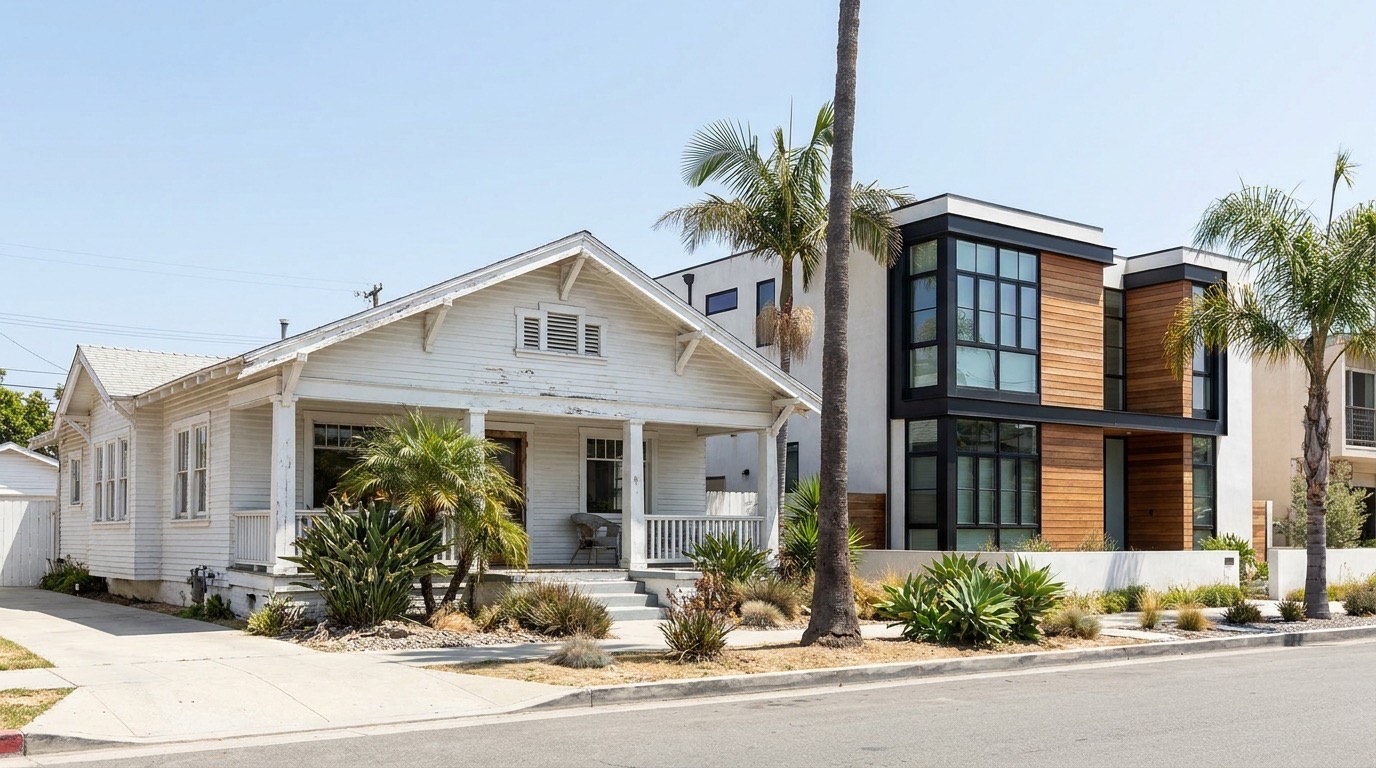
Venice’s housing stock spans everything from older beach cottages to newer construction, and building age matters more here than in some inland neighborhoods because of how coastal exposure interacts with materials and foundations over time. A thorough home inspection is worth treating as essential rather than a formality, particularly for older homes near the water where wear can be less visible from the street than it actually is up close. It’s also worth asking specifically about any past remodeling or foundation work, since older coastal homes are more likely to have had some form of updating over the decades that’s worth understanding fully.
The Parts of the Process That Don’t Change
Escrow, disclosures, and the general shape of a California purchase work the same way in Venice as anywhere else in LA. If you need a refresher on how escrow works or what happens after your offer is accepted, those mechanics don’t change here, only the specific due diligence items layered on top of them do.
If you’re considering a purchase in Venice, reach out to Efrat and she can walk you through what she’s currently seeing in the market and how to approach a specific listing, including which due diligence items matter most for that particular property.
