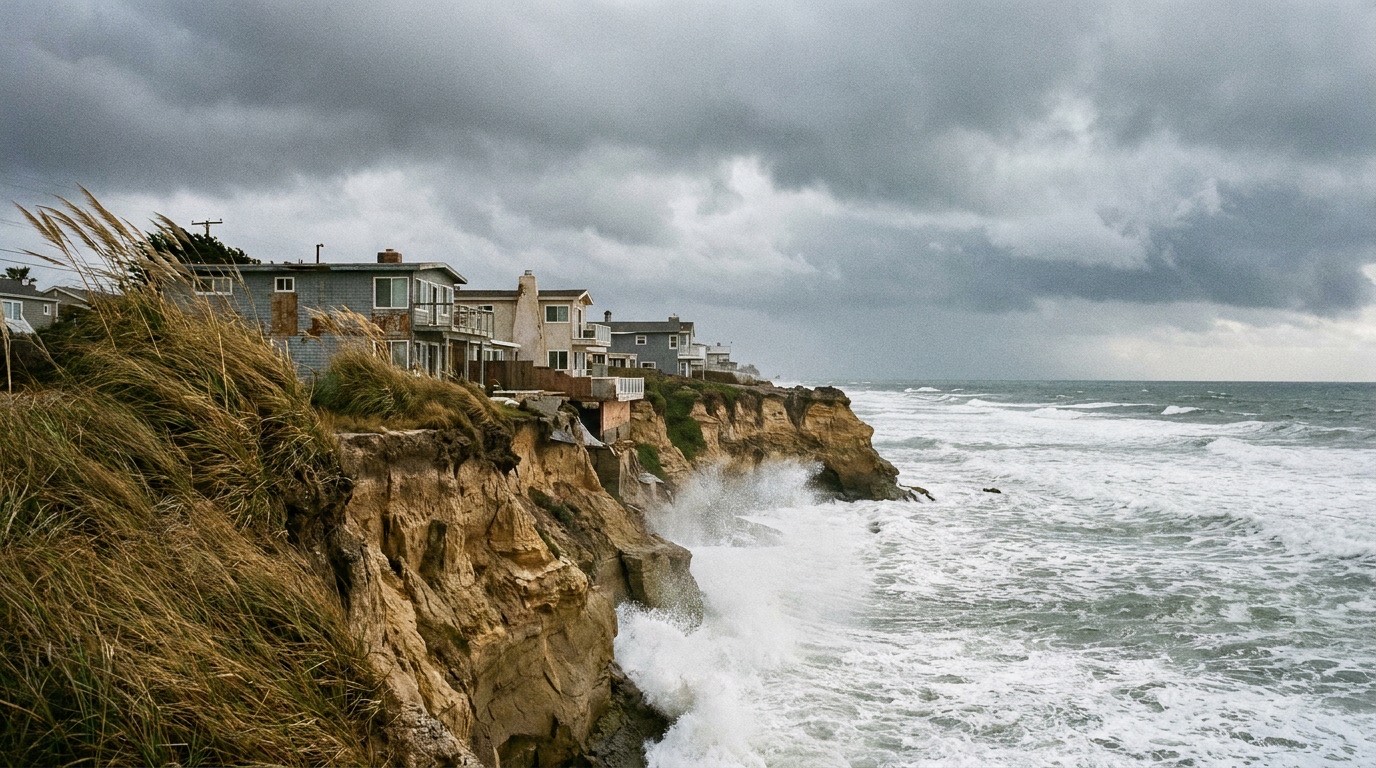
Venice sits within California Coastal Commission jurisdiction, and that surprises some buyers who assume it’s purely a city permitting matter. It’s worth understanding in general terms before you buy, especially if any future renovation or addition is part of your plan. None of this is meant to alarm anyone. Plenty of people buy, live in, and remodel homes in Venice every year. It’s just a layer worth knowing about upfront rather than discovering mid-project.
What the Coastal Commission Actually Oversees
The California Coastal Commission has authority over land use and development within the state’s coastal zone, and Venice falls within that boundary. Its role centers on things like public access to the coast, environmentally sensitive areas, and development that could affect the character or accessibility of the coastline. It works alongside, not instead of, the city’s own permitting process, meaning a project can need sign-off from both bodies rather than just one. The commission’s focus tends to be broader than a typical city planning department, it’s thinking about the coastline as a shared public resource, not just an individual parcel.
Why This Matters More for Some Projects Than Others
Buying a home as-is, with no renovation plans, usually doesn’t put coastal review front and center for you. It becomes far more relevant if you’re planning an addition, a significant remodel, a rebuild, or any exterior change that could affect public coastal access or view corridors. That’s the point where a standard city permit alone may not be enough, and where an added layer of review can come into play.
Every Parcel Is Different
Not every property in Venice is regulated the same way. Prior permit history, exact location relative to the coast, and lot-specific factors all affect how a parcel is treated. This is genuinely not one-size-fits-all, so avoid assuming a friend’s experience with their Venice property tells you anything definitive about a different address. Two homes on the same street can have entirely different histories with the commission depending on when they were last permitted and what, if anything, was ever built or modified without proper review.
What Happens If Past Work Wasn’t Properly Permitted
This is worth flagging directly. Some older Venice properties have additions, decks, or other changes made without full permitting, sometimes decades ago, sometimes more recently. If you’re buying a property with unpermitted work, it’s worth understanding what that could mean for future projects or even a future sale, rather than assuming it will simply carry forward unnoticed. Your agent and a coastal use attorney can help you assess what you’re actually taking on.
Confirm Specifics Before You Rely on Them
Approval timelines, fee structures, and the exact scope of what triggers coastal review change and vary by project, and we’re not going to guess at specifics here that could be wrong for your situation. Before you make renovation plans part of your purchase decision, confirm current requirements with escrow, a coastal use attorney, or the city directly. It’s a much better use of an hour of a specialist’s time than working off assumptions.
How This Fits Into Your Purchase Timeline
If coastal review is likely to matter for your plans, it’s worth raising early, ideally before you’re deep into contract, so it doesn’t become a surprise mid-transaction. For the general escrow mechanics that apply on top of this, see our escrow process guide.
If you’re evaluating a Venice property and want a clear-eyed read on what’s actually involved, reach out to Efrat. She serves buyers across Los Angeles, including Venice, and can help you loop in the right specialists before you commit.
