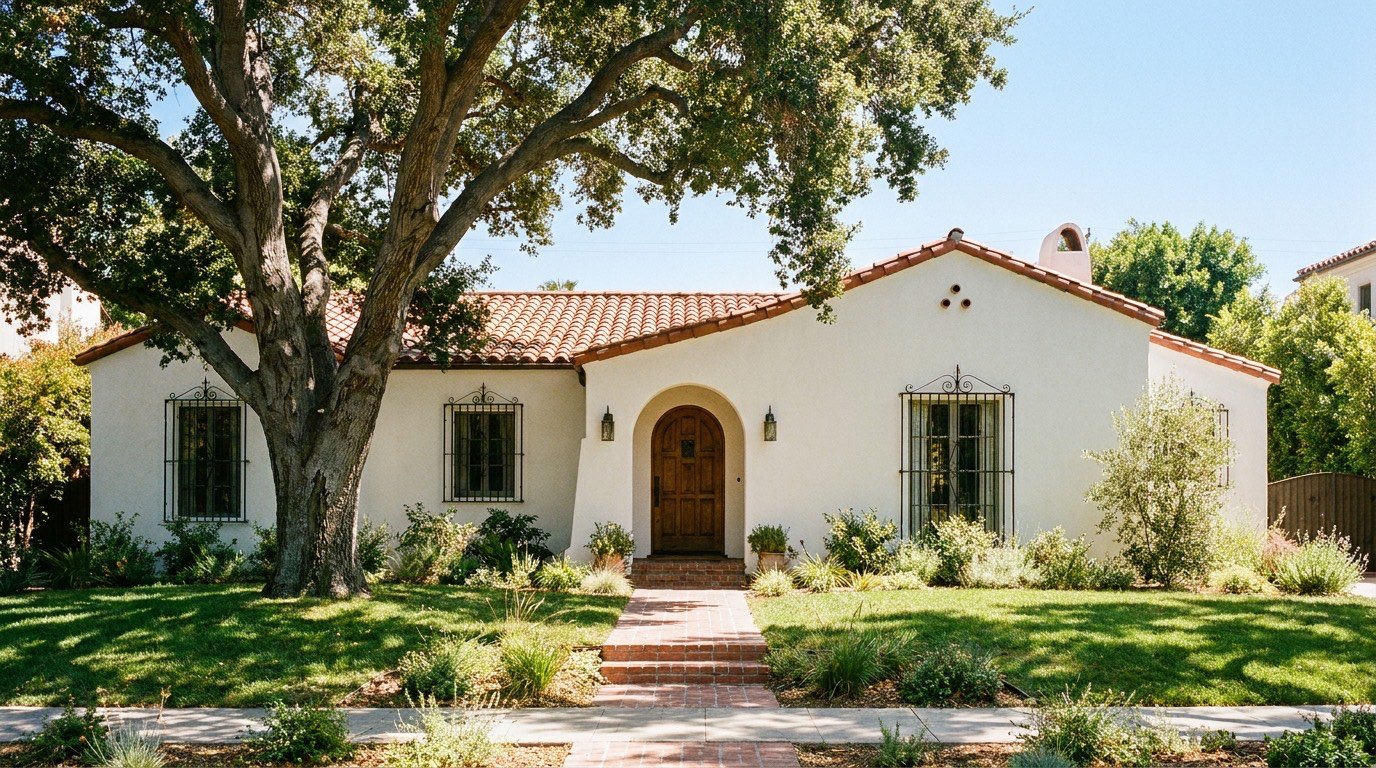
Some of Westwood’s most character-filled housing sits away from the high-rise condo towers, on residential streets that trace back to when the neighborhood first took shape alongside UCLA’s arrival in the late 1920s. Buying one of these older homes is a genuinely different process than buying a newer condo a few blocks away, and it’s worth understanding the specific due diligence involved before you fall in love with the curb appeal.
The Neighborhood’s Age Is Part of Its Appeal
Westwood’s earliest residential streets were built out in the years surrounding UCLA’s move to the neighborhood, giving parts of the area a consistent architectural character that’s genuinely rare in a city that’s redeveloped as much as Los Angeles has. That history is exactly why some buyers seek these homes out specifically, original details, mature landscaping, and a sense of place that a newer build often can’t replicate. It’s a real asset, as long as you go in understanding what comes with it.
Systems Often Reflect Decades of Partial Updates
A home built in the late 1920s or 1930s has usually been through several rounds of renovation by the time it reaches today’s market, but rarely all at once. That means a beautifully updated kitchen can sit right next to an electrical panel or plumbing run that’s decades old and was never brought up to current standards. Ask directly for permit history on any renovation work you can see, and don’t assume a nice-looking room means the whole house was modernized behind the walls. Our general home inspection checklist is a good starting framework, worth layering age-specific questions on top of for anything built before 1950.
Insurance and Financing Take a Bit More Legwork
Older homes sometimes require more back-and-forth with insurers and lenders than a newer property would, particularly around roof age, electrical panel type, and plumbing material. It’s worth starting that conversation with your lender and an insurance broker early in the process rather than assuming a standard quote will come back quickly. A home that looks move-in ready cosmetically can still trigger extra underwriting questions if the underlying systems are original.
Renovation Plans Need an Early Reality Check
If part of your reason for buying an older Westwood home is the plan to renovate or add on, confirm what’s actually allowed on that specific lot before you count on it. Zoning, lot size, and any historic designation attached to the block can all affect what a future addition or major renovation looks like, and assumptions based on a similar-looking house down the street don’t always hold up. Getting this confirmed with the city before you remove contingencies can save real frustration later.
Original Details Are Worth Evaluating Individually
Not every original feature in an older Westwood home is worth preserving as-is, and not every one is worth replacing either. Original windows, plaster walls, and built-in millwork can carry real charm and value, but they can also carry maintenance costs a newer home wouldn’t have, single-pane windows affecting energy efficiency, or plaster that’s expensive to repair compared to drywall. Walk through a serious prospect with your agent and, if needed, a contractor, and evaluate which original details are assets worth keeping and which are simply aging components that will need attention sooner than a buyer might assume from charm alone.
Weigh the Trade-Off Against a Newer Condo Nearby
Westwood gives buyers a genuine choice between an older single-family home with character and more upkeep, and a newer or well-maintained condo with amenities and less hands-on maintenance. Neither is the objectively right answer, it depends on how much you value land and character versus predictability and lower maintenance. Our offer contingencies guide is worth reading either way, since older homes especially benefit from a well-structured inspection period.
If you’re considering an older home in Westwood, reach out to Efrat. She serves buyers across Los Angeles, including Westwood, and can help you evaluate a specific property’s history honestly before you make an offer.
