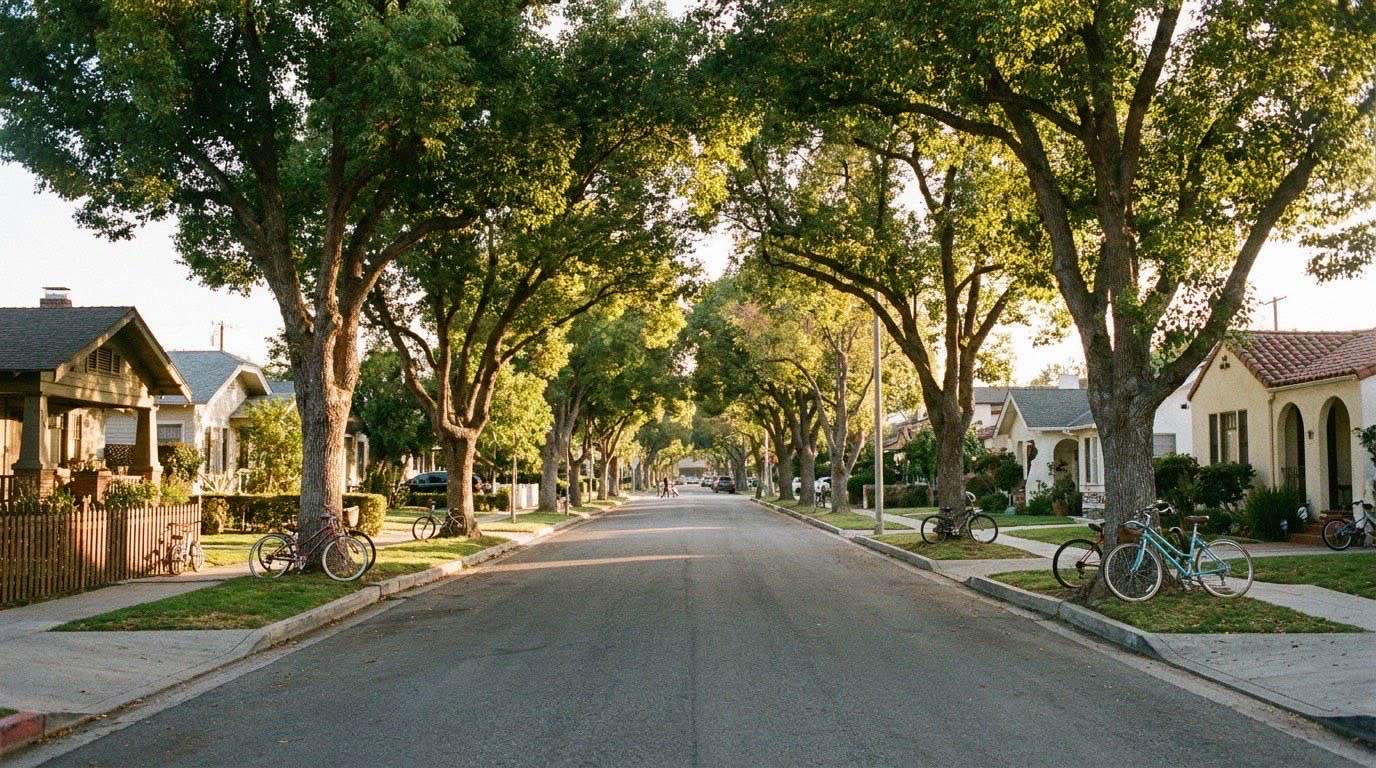
“Is Culver City a good place to live” is one of the most common questions buyers ask before they’ve even toured a single home there, and the honest answer is: it depends on what you’re optimizing for. Here’s a straight breakdown.
Where Culver City Genuinely Delivers
Culver City’s biggest strength is its combination of a real walkable downtown and proximity to major employers, Sony Pictures Studios, Amazon’s growing office and studio presence, and the tech and design firms in the Hayden Tract. For someone who works in or near any of those, cutting a daily commute down to a few minutes is a legitimate quality-of-life win, not a small one. Add in the restaurants, theater, and foot traffic around Washington and Culver Boulevards, and you get a downtown that a lot of similarly-sized LA neighborhoods simply don’t have.
Where It’s a Real Tradeoff
Culver City isn’t a quiet, spread-out suburb, and it shouldn’t be marketed as one. Demand from the tech and entertainment workforce has pushed housing costs up, and the housing stock itself leans denser than a lot of buyers expect, more condos, smaller lots, and only pockets of the wider hillside single-family homes. If a large yard and total quiet are non-negotiable, other Westside neighborhoods might fit better. If you’re weighing condo life specifically, our condos vs. single-family homes in Culver City guide breaks down that tradeoff in more detail.
Commute Reality Check
Culver City sits near both the 405 and 10 freeways and has its own Metro E Line stop, which genuinely helps for trips toward Downtown LA, the beach, or other parts of the Westside. That said, actual drive times vary a lot by time of day and destination, so it’s worth mapping your specific commute before assuming the location alone solves it. Our step-by-step guide to buying a house in California covers how to weigh commute against other priorities during your search.
Schools and Family Considerations
Culver City has family-friendly pockets, particularly in the quieter residential streets away from downtown, but as with any LA-area neighborhood, school assignment depends on the specific address, not the city’s overall reputation. Check current ratings and boundaries directly for any home you’re seriously considering. Culver City also runs its own independent school district rather than falling under LAUSD, which some families see as a plus, though it’s still worth confirming current ratings for a specific school rather than assuming based on the district’s name alone.
How Culver City Compares to Its Neighbors
Buyers weighing Culver City often cross-shop it against Mar Vista or Playa Vista, and the comparison usually comes down to how much walkable downtown you want versus a quieter, more purely residential feel. Culver City’s downtown core is more developed than either of those areas, but that comes with more density and less predictable street-to-street quiet. Our Culver City vs. Mar Vista and Culver City vs. Playa Vista comparisons go deeper into those specific tradeoffs if you’re weighing more than one area.
Test-Driving the Decision Before You Commit
The best way to answer this question for yourself is to spend time in Culver City at different points in the week, a weekday morning in the flats, a Friday night downtown, a quiet Sunday on a residential street a few blocks from Washington Boulevard. General guides can point you toward the right questions, but they can’t replace actually walking the specific streets you’re considering and picturing your own routine on them.
The Honest Bottom Line
Culver City works well for buyers who want walkability, a shorter commute to entertainment or tech jobs, and a downtown with actual life to it, and it works less well for buyers who want maximum space and total quiet. Neither is a wrong answer, it’s about matching the neighborhood to your actual daily life rather than its reputation. Efrat serves buyers and sellers across Los Angeles, including Culver City, and can help you figure out honestly whether it fits. Reach out to Efrat to talk through your priorities.
