“Is Culver City safe” is a question we get often, and the honest answer is that it deserves real data, not a reassuring paragraph. Here’s how to actually research it, and why we’re not going to hand you a summary label instead.
Why We Won’t Give You a Single Answer
Safety in any city, Culver City included, varies by block, by time of day, and by what specifically you’re asking about, property crime, traffic safety, or general neighborhood feel. A blog post that reduces all of that to “yes” or “no” isn’t giving you something you can actually use when deciding on a specific address. We’re not going to cite a crime rate number here, because a static figure would be out of date the moment conditions shift, and it wouldn’t tell you anything specific about the block you’re actually considering.
Where to Get Real, Current Data
The Culver City Police Department publishes its own crime statistics and community reports directly, and that’s a more reliable starting point than a general reputation or a secondhand comment from a forum. Citywide tools like Crimemapping.com and the LA Times’ crime data resources let you search by address or radius and see reported incidents over a specific time window. These sources update on an ongoing basis, which is exactly what a fixed article can’t do for you.
Commercial Corridors Behave Differently Than Residential Streets
Culver City’s downtown around Washington and Culver Boulevards, along with the areas near Sony Pictures Studios and Amazon’s studio and office campus, function differently than the quieter residential streets nearby. Commercial areas tend to have different foot traffic patterns and different hours of activity than a residential block a few minutes away. That’s not a statement about which is safer, it’s a reason to look at data for the specific type of area you’re evaluating rather than treating “Culver City” as one uniform zone.
Walk the Block at Different Times
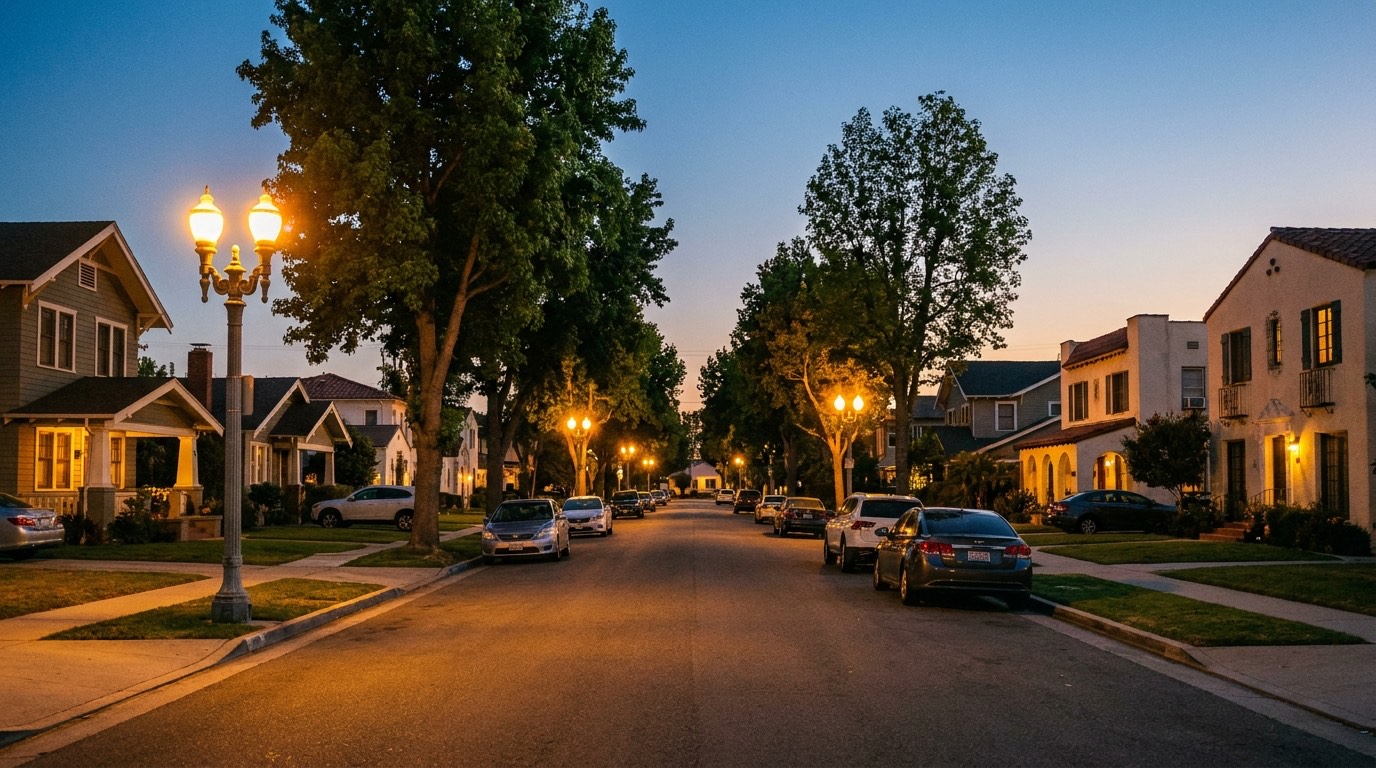
Data is a starting point, not the whole picture. If safety is genuinely a priority in your search, walk the specific block you’re considering at more than one time of day, a quiet weekday morning and a weekend evening are different experiences of the same street. Lighting, activity level, and how a block feels in person tell you things a report alone won’t, and they’re worth checking directly rather than assuming based on the broader city’s reputation.
How Culver City’s Density Plays Into This
Culver City is denser than a lot of neighboring Westside areas, with more foot traffic downtown and around the Hayden Tract’s mix of offices and converted buildings. Density on its own isn’t a safety indicator either way. It just means the texture of a walk down a specific street can differ meaningfully from a quieter residential block a short distance away, which is another reason to evaluate the exact location rather than the city as a whole.
Don’t Rely on Secondhand Impressions
It’s easy to end up with an impression of a neighborhood’s safety based on a single comment, an old news story, or a friend’s passing remark. None of that substitutes for current, address-specific data. If a specific concern comes up during your search, whether it’s about a particular street or a particular time of day, ask directly and check the actual current sources rather than carrying forward an outdated impression.
Bringing It Into Your Property Search
Treat safety research as one part of a broader due diligence process alongside schools, commute, and lot type, not a single yes-or-no filter applied to the whole city. If you’re evaluating a specific Culver City property and want help thinking through the full picture, not just the safety question in isolation, reach out to Efrat. She serves buyers and sellers across Los Angeles, including Culver City, and can help you weigh this alongside everything else that matters in your decision.
