“Is Los Feliz a good place to live” is one of the most common questions buyers ask before they’ve spent real time there, and the honest answer is that it depends heavily on what you’re looking for. Here’s a straight breakdown of what actually makes it work, and where it might not.
Where Los Feliz Genuinely Delivers
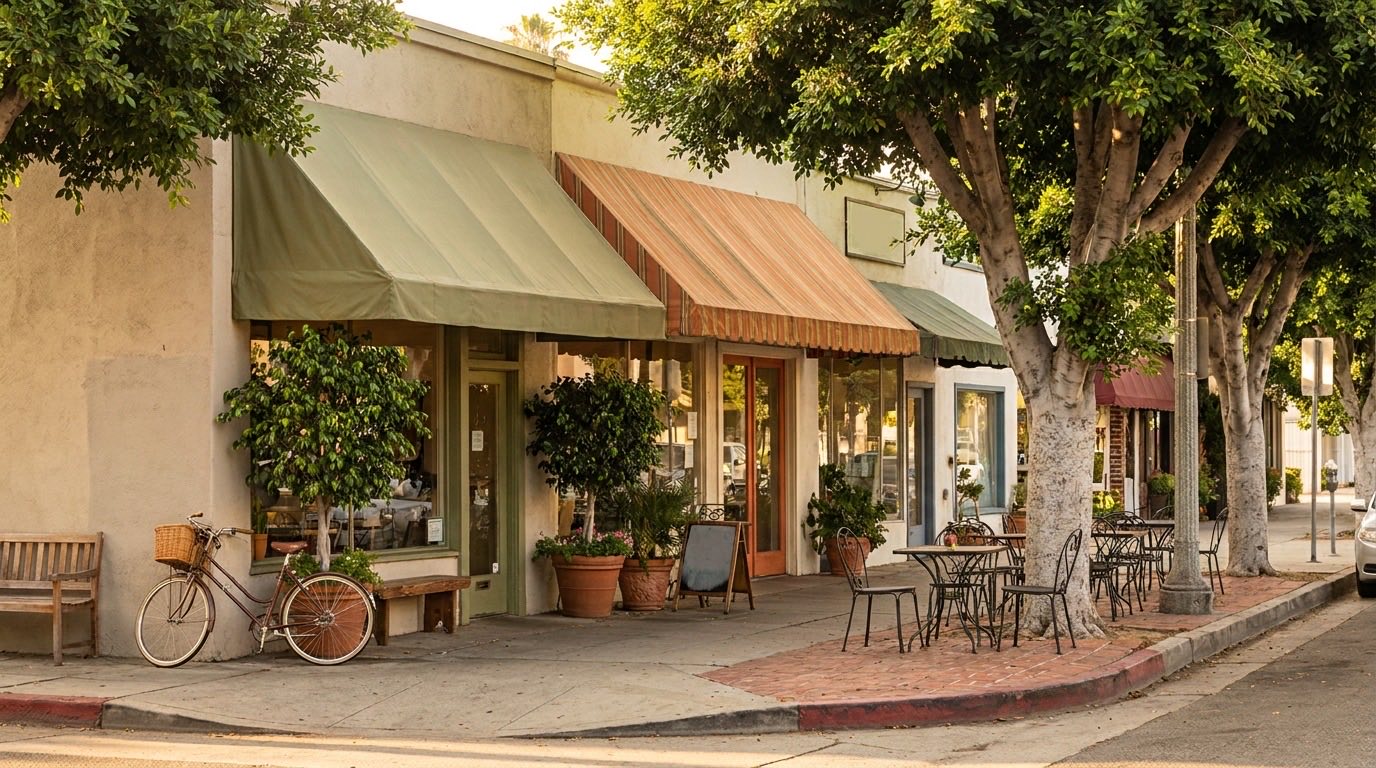
Los Feliz’s biggest strength is the combination of Griffith Park access and a walkable village center along Vermont and Hillhurst Avenues. That pairing, real green space plus a real commercial strip, is harder to find together in a lot of LA neighborhoods, which tend to offer one or the other. Add in the neighborhood’s older, architecturally distinct housing stock, Spanish, Tudor, and mid-century styles built mostly in the early to mid-20th century, and you get a neighborhood with genuine character rather than a newer, more generic build-out.
Where It Might Not Fit
Los Feliz isn’t the right answer for everyone. If you want a brand-new build with modern systems and a flat, uniform street grid throughout, the neighborhood’s older housing stock and mixed hillside-and-flat terrain can work against you. Parking near the village gets tight on weekend evenings, and the hillside pockets closer to Griffith Park involve narrower, winding streets that some buyers find genuinely inconvenient day to day.
Commute Reality Matters More Than the Map Suggests
Los Feliz sits east of Hollywood and north of Silver Lake, close enough to the 101 to make a downtown or Valley commute workable for a lot of residents. But “close on the map” and “quick in real traffic” are two different things in LA. If your daily commute is a real factor, map the specific drive at rush hour before assuming the neighborhood’s location will make it easy.
Housing Stock Requires a Different Kind of Diligence
Because so much of Los Feliz’s housing stock is older, buyers considering it should expect more variation in system age, plumbing, electrical, foundation work, from one property to the next than in a newer neighborhood. That’s not a reason to avoid it, older homes here often come with real architectural value that a newer build won’t have, but it does mean a thorough home inspection matters more here than in a newer subdivision.
Who Actually Thrives in Los Feliz
Buyers who do well in Los Feliz tend to genuinely value walkability, architectural character, and park access over a flat, predictable street grid or the newest possible systems in a home. Renters and buyers coming from denser parts of the city often find it a natural step toward more space and quiet without giving up a walkable center entirely. Families who prioritize outdoor access and don’t mind a mix of housing conditions tend to do well here too.
Who Might Want to Look Elsewhere
If total quiet, a uniform newer streetscape, or minimal home maintenance responsibility are non-negotiable, Los Feliz may not be the strongest fit, and a newer-build neighborhood further from the urban core might serve you better. That’s a legitimate preference, not a knock on Los Feliz itself.
How to Test It Before You Commit
The best way to answer this question for yourself isn’t a general guide, it’s spending real time in the neighborhood before you make an offer. Walk the village along Vermont and Hillhurst on a weekday morning and again on a Saturday evening, since the feel changes noticeably between the two. Drive one of the hillside streets near Griffith Park separately from a flatter block closer to the village, and time your actual commute at the hours you’d realistically be driving it. A neighborhood that looks good on paper can still miss on the specifics that matter most to your daily routine, and those specifics only show up once you’ve actually driven and walked the streets yourself.
Getting a Straight Answer for Your Situation
Whether Los Feliz is a good place to live really comes down to your specific priorities: walkability and park access against a flatter, newer streetscape, character against predictability. Efrat serves buyers and sellers across Los Angeles, including Los Feliz, and can help you weigh those tradeoffs honestly against what you actually want day to day. Reach out to talk through your specific situation.
