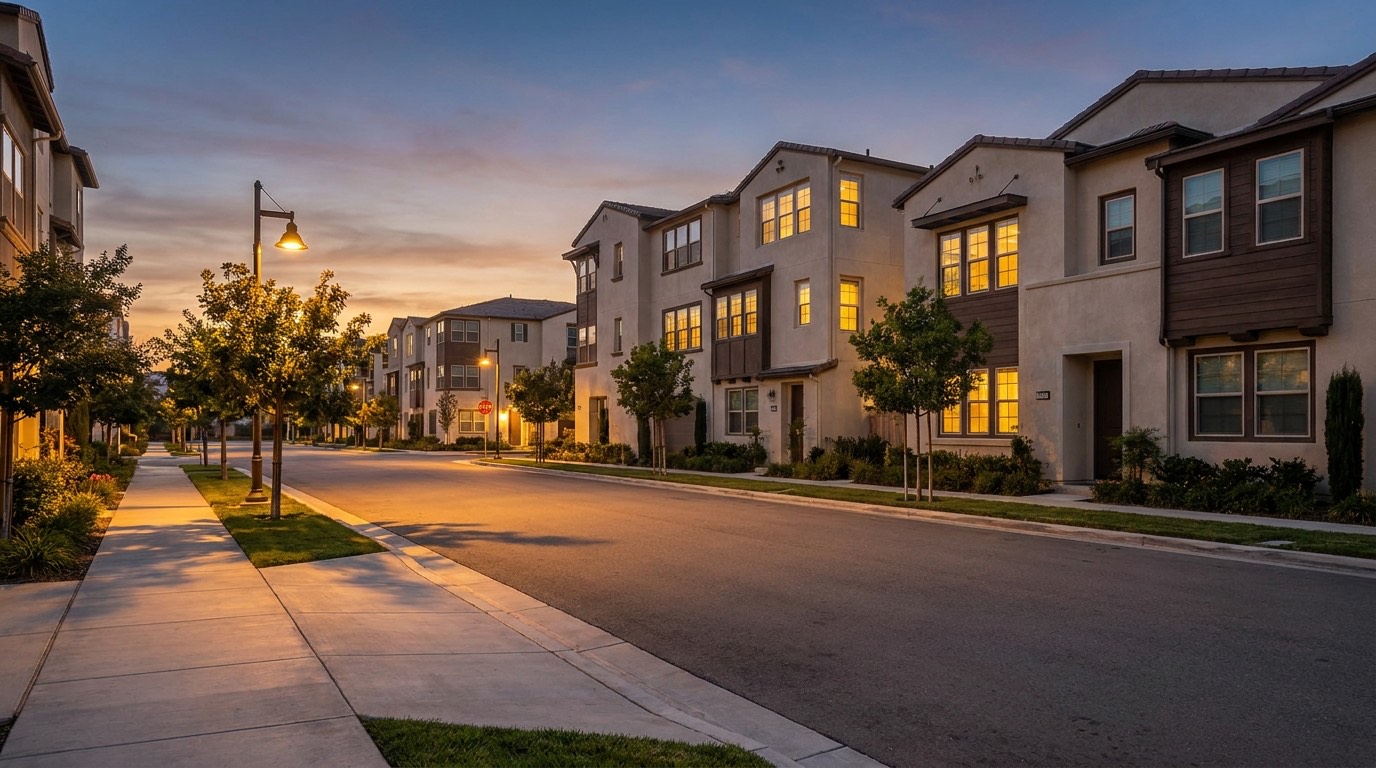
“Is Playa Vista safe” is a question we get often, and the honest answer is that it deserves real data, not a reassuring paragraph. Here’s how to actually research it, and why we’re not going to hand you a summary label instead.
Why We Won’t Give You a Single Answer
Safety in any community, Playa Vista included, varies by specific location, time of day, and what exactly you’re asking about, property crime, traffic safety, or general neighborhood feel. A blog post that reduces all of that to “yes” or “no” isn’t giving you something you can actually use when deciding on a specific address. We’re not going to cite a crime rate number here, because a static figure would be out of date the moment conditions shift, and it wouldn’t tell you anything specific about the building or block you’re actually considering.
Where to Get Real, Current Data
Playa Vista is part of the City of Los Angeles and patrolled by the LAPD, and that’s a more reliable starting point than general reputation or a secondhand comment from a forum. Citywide tools like Crimemapping.com and the LA Times’ crime data resources let you search by address or radius and see reported incidents over a specific time window. These sources update on an ongoing basis, which is exactly what a fixed article can’t do for you.
Master-Planned, HOA-Governed Buildings Are a Different Kind of Environment
Because a large share of Playa Vista’s housing sits within HOA-governed condo and apartment communities, some buildings and associations maintain their own security measures, gated access, on-site staff, or monitored common areas, on top of standard city policing. What a specific building actually provides varies, so it’s worth asking the HOA or leasing office directly rather than assuming every property here has the same level of building-level security.
Retail Corridors Behave Differently Than Residential Pockets
The Runway’s retail and dining corridor sees a different pattern of foot traffic and activity than the community’s quieter residential pockets near the wetlands or Concert Park. That’s not a statement about which is safer, it’s a reason to look at data for the specific type of area you’re evaluating rather than treating “Playa Vista” as one uniform zone.
Walk the Area at Different Times
Data is a starting point, not the whole picture. If safety is genuinely a priority in your search, walk the specific area you’re considering at more than one time of day, since a quiet weekday morning and a weekend evening can feel like different experiences of the same pocket. Lighting, activity level, and how an area feels in person tell you things a report alone won’t.
Don’t Rely on Secondhand Impressions
It’s easy to end up with an impression of a community’s safety based on a single comment, an old news story, or a friend’s passing remark. None of that substitutes for current, address-specific data. If a specific concern comes up during your search, ask directly and check the actual current sources rather than carrying forward an outdated impression.
What an HOA Can and Can’t Guarantee
Even a building with gated access, on-site staff, or monitored common areas isn’t a substitute for actual crime data. HOA-level security measures can reduce certain risks within a building’s own footprint, but they don’t change what’s happening on the surrounding streets or in nearby public spaces. Treat any building-level security feature as one input among several, not a reason to skip checking public data for the surrounding area.
Bringing It Into Your Property Search
Treat safety research as one part of a broader due diligence process alongside commute, HOA costs, and unit type, not a single yes-or-no filter applied to the whole community. If you’re evaluating a specific Playa Vista property and want help thinking through the full picture, not just the safety question in isolation, reach out to Efrat. She serves buyers and sellers across Los Angeles, including Playa Vista, and can help you weigh this alongside everything else that matters in your decision.
