This is one of the most common questions buyers ask once Santa Monica is on their shortlist: pay the premium to live there, or buy inland and drive or ride the train in. There’s no single right answer, but there is a useful way to work through it.
Is Santa Monica’s Premium Just About the Beach?
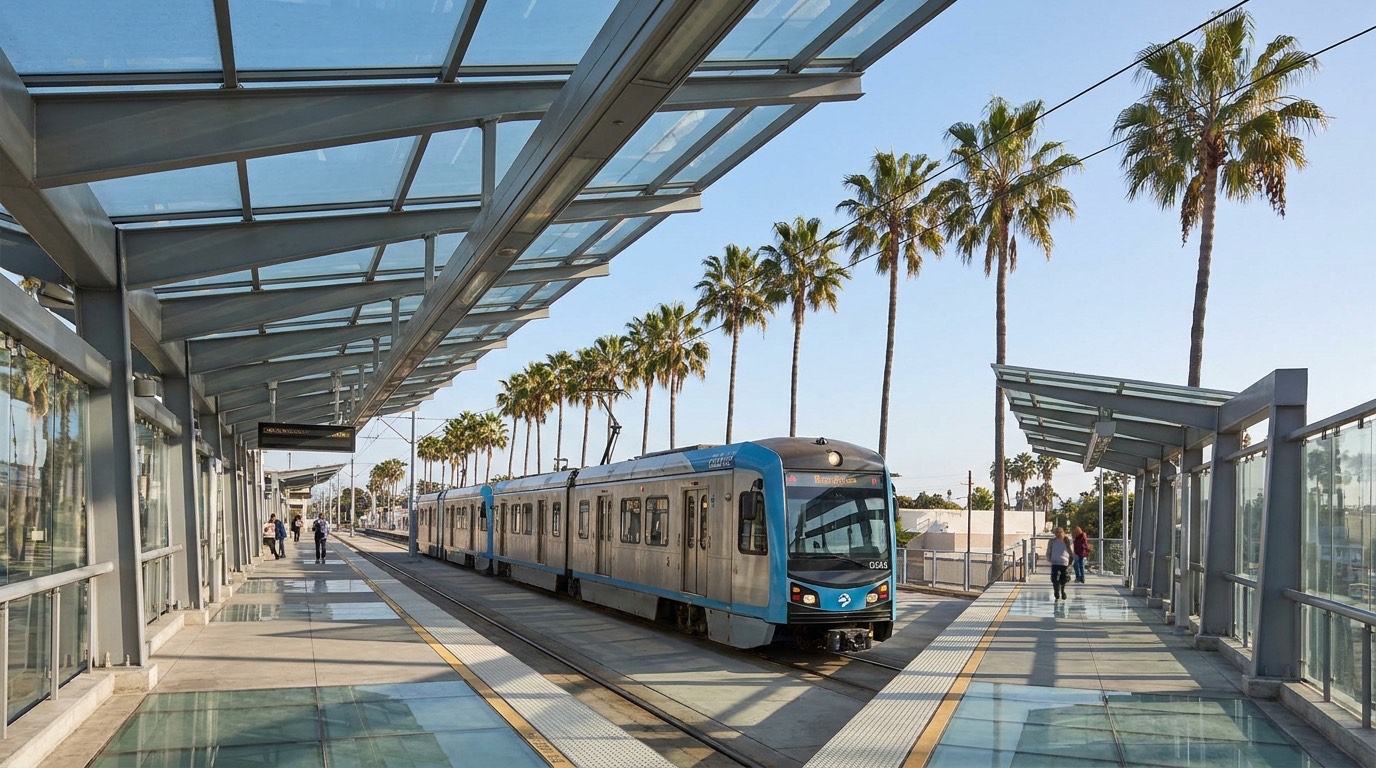
Not entirely. Homes near the coast in Los Angeles generally command more than comparable inland product, and Santa Monica inherits that dynamic. But it’s also paying for something LA doesn’t offer in many other places: real walkability downtown and four Metro E Line stations giving direct rail access toward Downtown. What you’re buying isn’t just square footage or ocean proximity, it’s a combination of lifestyle and genuine transit optionality that’s rare across the rest of the city.
What Do You Give Up by Commuting In Instead?
Buying further inland typically buys more house for the money and, depending on where you work, a shorter drive to certain job centers. But it also means giving up the daily, casual walk to the Promenade or the beach, and trading a train option for a drive-only commute. It’s not purely a financial decision, it’s a lifestyle one too, and it’s worth being honest with yourself about which side of that tradeoff actually matters more day to day.
How Much Does Working Remotely Change the Math?
Quite a bit. If your job doesn’t require showing up five days a week, the practical cost of distance shrinks, and the decision shifts from “how do I minimize my commute” to “how much am I willing to pay for walkability and beach access.” That’s a more personal calculation, and it’s worth running the numbers with your actual work schedule in mind rather than a generic five-day assumption.
Is There a Middle Ground?
Often, yes. LA has neighborhoods positioned between full coastal premium and inland affordability, some with reasonable access to Santa Monica’s job centers or the E Line corridor without the full price tag of living inside Santa Monica itself. Which ones actually work depends heavily on your specific commute and budget, so it’s worth mapping out a short list of real options rather than guessing based on general reputation.
What Does the Commute Actually Cost You Over a Year?
It helps to put a real number on it before deciding. Add up gas, wear on your car (or the time cost of a longer transit trip), and the actual hours spent commuting over a typical month, then ask honestly whether that time could be better spent. Some people don’t mind a longer drive with a podcast queued up. Others find that trading that hour for a walk to the beach changes their day enough to be worth the extra cost of living closer.
What About Resale, Not Just Day-to-Day Living?
It’s worth thinking past your own time in the home too. Santa Monica’s combination of walkability, beach access, and transit connections has generally supported demand over time, since none of those things can really be added to an inland neighborhood after the fact. That’s not a guarantee about any specific property’s future value, but it’s a reasonable factor to weigh alongside your day-to-day preferences.
So Which Option Is Actually Right for You?
Start with three honest questions: how often will you actually commute, what’s your realistic budget ceiling, and how much do walkability and beach access genuinely matter to your daily life versus how good they sound in theory. Buyers who answer those clearly tend to land on the right side of this decision faster than the ones trying to optimize for everything at once.
If you’re weighing Santa Monica against a less walkable, more affordable option, reach out to Efrat and she can walk through how that tradeoff has played out for other buyers with a similar commute and budget.
