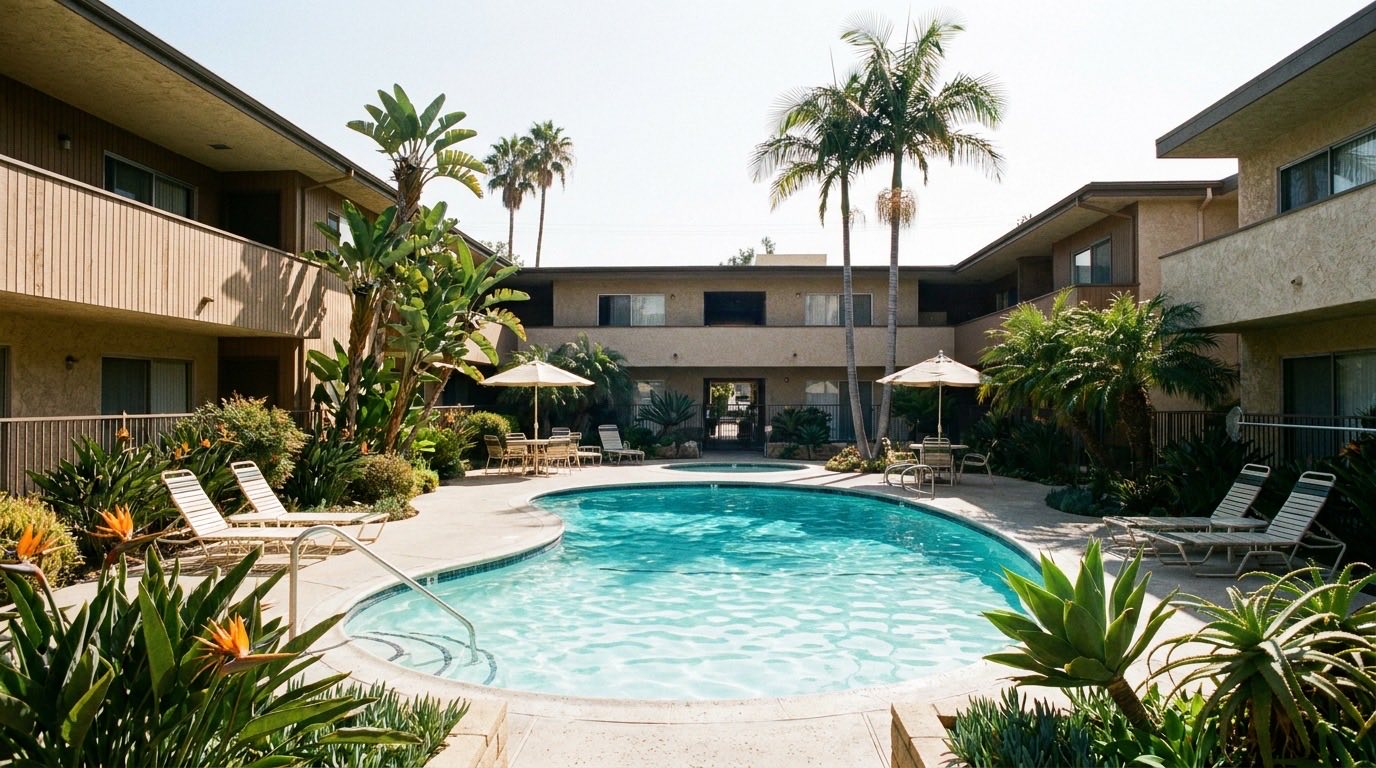
HOA and condo fees in Los Feliz vary a lot more than a general number can capture, and given how much of the neighborhood’s condo stock sits in older buildings, it’s worth understanding what actually drives those fees before you commit to a specific property.
What HOA Fees Typically Cover
At a basic level, HOA fees fund shared building costs: exterior maintenance, common area upkeep, building insurance, and often water or trash service depending on the building. In Los Feliz specifically, older buildings sometimes carry additional line items for ongoing restoration or period-detail maintenance, keeping original tile work or exterior finishes intact, that a newer building simply wouldn’t have.
Building Age Changes What You Should Actually Check
Because a meaningful share of Los Feliz’s condo stock is in older buildings, age-related factors matter more here than in a newer development. Ask specifically about the roof’s age and condition, plumbing and electrical updates, and whether any seismic retrofitting has been done or is planned. A building that’s kept up with these things tends to have more predictable fees over time than one that’s deferred major work.
Reading the Reserve Study Honestly
Every HOA should be able to provide a reserve study, a document that estimates the building’s future major repair costs and how much money is actually set aside to cover them. The number that matters most is whether current reserves are realistic against the building’s age and known upcoming needs, not just whether a reserve fund exists at all. A thin reserve relative to an older building’s likely repair needs is a real warning sign, since it often means a special assessment down the line.
Special Assessments Are Worth Asking About Directly
Beyond the monthly fee, ask whether the HOA has issued any special assessments in the past few years, or whether one is being discussed. Older buildings are more prone to needing one, given the higher likelihood of major system work coming due. A pattern of frequent assessments is worth factoring into your total cost calculation, not just the advertised monthly fee.
Insurance Coverage Varies Building to Building
Whether an HOA’s master policy includes earthquake or additional fire coverage differs from one building to the next, and it directly affects what you’d need to carry separately as an owner. Confirm exactly what the building’s policy covers rather than assuming standard coverage applies, especially if the property sits in one of Los Feliz’s hillside pockets where fire risk considerations are more relevant.
How Fees Factor Into Your Total Housing Cost
A lower HOA fee doesn’t automatically mean a better deal if it comes with a thinner reserve or a building that’s been deferring maintenance. When comparing two Los Feliz condos, look at the total picture, purchase price, monthly fee, reserve health, and any pending assessments, rather than ranking listings by fee amount alone. It’s also worth factoring HOA dues into your overall budget alongside your mortgage preapproval so you know your real monthly number going in.
Questions Worth Asking the HOA Directly
Beyond reviewing the paperwork, it’s worth putting a few direct questions to the HOA board or management company before you close: how often have dues increased in the past several years, is there any pending litigation involving the building, and what’s the current owner-occupancy versus rental ratio. Those answers, more than the monthly fee itself, tend to reveal whether a building is being managed proactively or is quietly building up problems that will eventually land on owners as a special assessment.
Getting a Clear Read Before You Commit
The only reliable way to evaluate a specific building’s fees is to read the actual HOA documents, budget, reserve study, meeting minutes, rather than relying on a general range. Efrat serves buyers and sellers across Los Angeles, including Los Feliz, and can help you review those documents for a specific property you’re considering. Reach out before you make an offer on a condo here.
