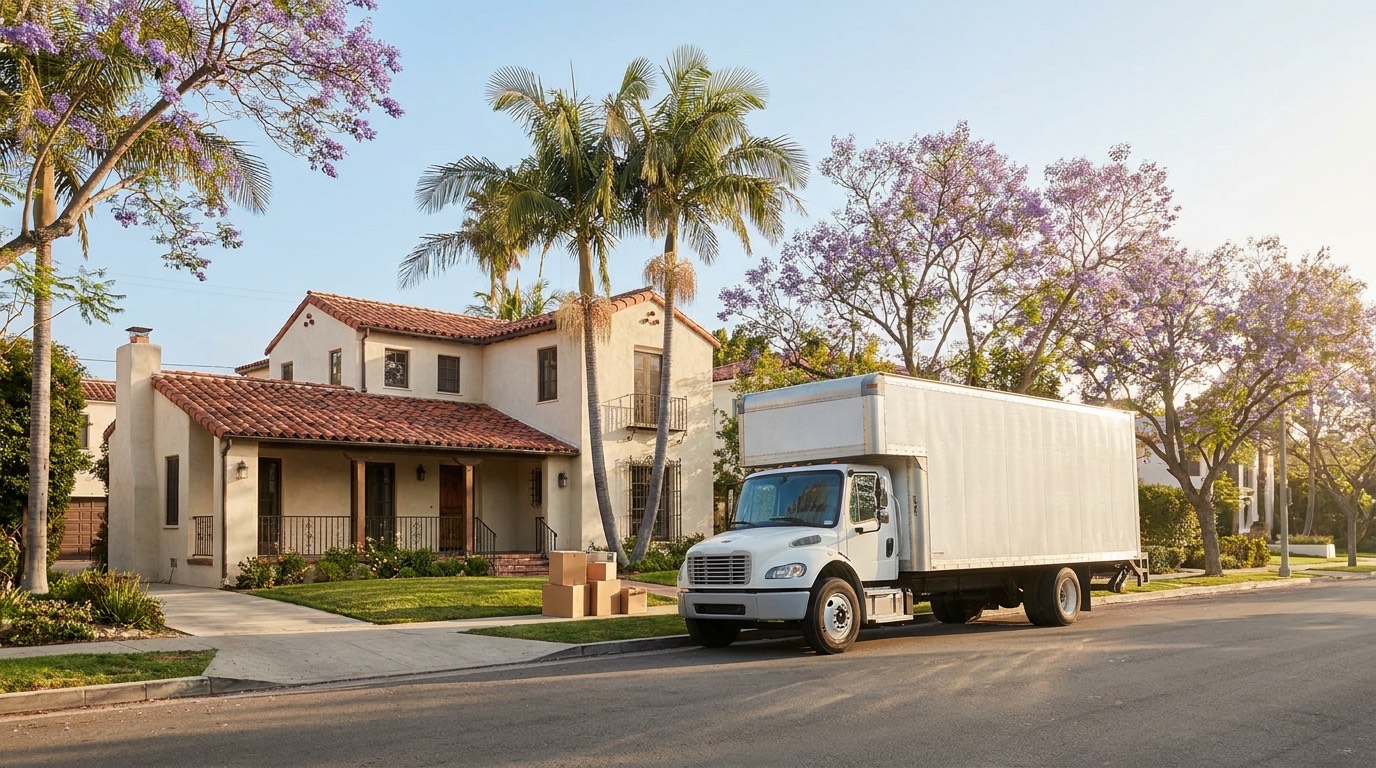
Relocating to Santa Monica usually comes with a mental image, the beach, the pier, walkable streets, that doesn’t always match the practical reality of any one specific block. A good relocation checklist separates the parts of Santa Monica that are true everywhere from the parts that vary a lot depending on exactly where you land.
Figure Out What “Santa Monica” Means for Your Life
The city covers a range of feels, from dense, walkable blocks near the Promenade and the pier to quieter residential streets further from the coast. Before you start touring, get clear on what actually matters to your daily life, walkability, beach proximity, commute access, quiet, and let that narrow the search rather than treating the whole city as interchangeable.
Commute Reality Check
Santa Monica’s Expo Line access is a real advantage for some commutes, particularly toward downtown LA, but driving times during peak traffic can still be significant depending on where you’re headed. Test an actual commute at a realistic time of day before assuming a property’s location works for your schedule, rather than relying on a map’s estimated drive time.
Schools, If They Matter to You
Santa Monica-Malibu Unified is a genuine draw for families, but assignment depends on the specific address, and it’s worth confirming for any property you’re seriously considering rather than assuming district-wide reputation guarantees a specific school.
Parking and Daily Logistics
Street parking rules, permit requirements, and garage availability vary block by block in Santa Monica. If you’re relocating from a place where parking wasn’t a daily consideration, it’s worth understanding the actual situation for your target block before you move, not learning it the hard way in the first week.
If You’re Buying a Condo, Start the HOA Research Early
Condos make up a large share of Santa Monica’s housing stock. If you’re planning to buy rather than rent, start reviewing HOA financials and building history as soon as you have a shortlist of buildings, since that research can meaningfully affect which properties are actually a good fit. Our buying guide for Santa Monica goes deeper into what to check.
Give Yourself Time to Learn the Blocks
Santa Monica changes character noticeably within a few blocks, near the beach versus further inland, near the Promenade versus a quieter residential pocket. If your schedule allows it, spending time in different parts of the city before committing to a specific area pays off, especially if you’re relocating from somewhere very different in character.
Line Up Logistics Before Move Week
Beyond the home search itself, sort out practical details early, DMV registration if you’re coming from out of state, utility setup timelines, and any HOA move-in requirements if you’re buying a condo. Buildings with dedicated move-in procedures sometimes require advance scheduling, which is easy to miss if you’re focused only on the purchase itself.
Understand Rent Control If You’re Renting Before You Buy
Plenty of people relocating to Santa Monica rent for a while before committing to a purchase, which makes sense given how much the checklist above depends on actually learning the blocks first. If that’s your plan, it’s worth knowing that Santa Monica has one of the stricter rent control ordinances in California, administered by its own Rent Control Board, and it affects both what you can expect as a renter and how a building operates.
For a renter, this generally means more predictable protections around rent increases and eviction than in a non-rent-controlled market, which can be a genuine advantage while you’re taking time to find the right neighborhood to eventually buy in. It’s still worth confirming the specific unit’s rent-control status directly, since not every unit in the city is covered in the same way, newer construction and certain unit types can fall outside the ordinance.
If you’re using a rental period as a bridge to eventually buying in Santa Monica, it’s also worth registering with the Rent Control Board’s tenant resources so you understand your specific rights and any registration requirements for your building. Getting this right early avoids a confusing situation later if a landlord’s understanding of the rules and your own don’t match up.
If you’re planning a move to Santa Monica and want help finding the right property and neighborhood fit, reach out to Efrat. She serves buyers across Los Angeles, including Santa Monica, and can help you narrow down what actually matters for your specific situation.
