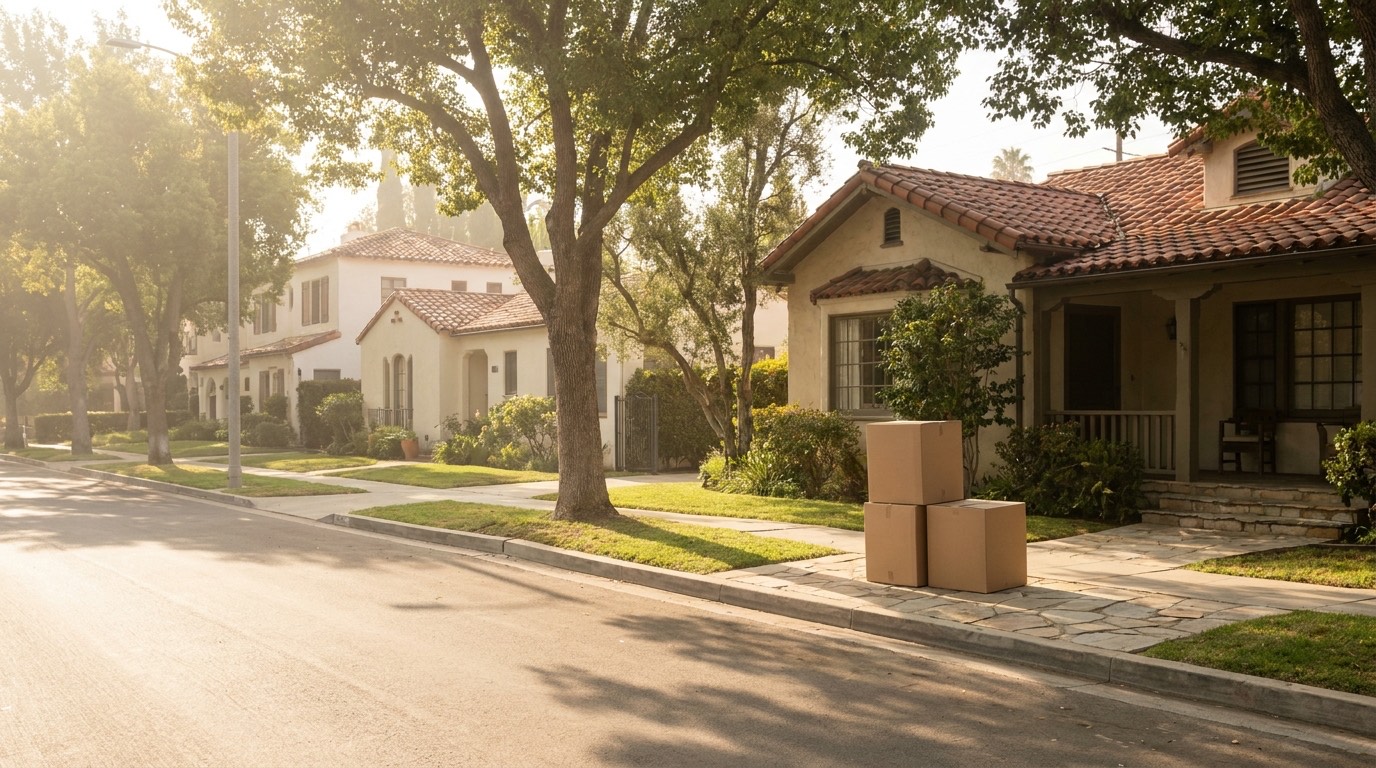
Relocating to Westwood means choosing between genuinely different day-to-day experiences within the same neighborhood name. A high-rise condo a short walk from Westwood Village lives very differently than a single-family home on a quiet residential street a half mile away, and figuring out which fits your life is worth doing before you commit to a specific property.
Start With How UCLA Fits Into Your Daily Life
Even if you have no direct connection to the university, UCLA shapes Westwood’s rhythm, traffic, parking availability, and the type of neighbors you’ll have in a lot of the closer-in buildings. If you like the energy of a walkable, active neighborhood, that proximity is a feature. If you’re relocating for quiet and predictability, you’ll likely be happier a bit further from campus and Westwood Village’s busiest blocks.
Decide Between Condo Convenience and House-Level Space
Westwood’s high-rise condo corridor along Wilshire offers amenities, security, and low day-to-day maintenance, which appeals to a lot of people relocating from out of state or downsizing from a larger home elsewhere. If you need more space, a yard, or simply prefer more control over your own building’s decisions, the neighborhood’s residential pockets offer that, generally at a higher price point and with more of the maintenance responsibility landing on you directly.
Test Different Blocks at Different Times of Day
Westwood’s feel changes noticeably depending on proximity to Westwood Village and UCLA’s campus. Before committing to a specific block, visit at a few different times, a weekday morning commute, a weekend afternoon, and if you can manage it, a weekday during the school year versus during a break. What feels lively during a Saturday showing can feel considerably busier on a Tuesday in October.
Consider a Short Rental Period If You’re Coming From Outside LA
If you’re relocating from another city and don’t have a strong feel for how Westwood’s different pockets compare, renting for a few months before buying isn’t a wasted step. It gives you a real sense of commute patterns, parking realities, and neighborhood noise levels that a weekend house-hunting trip can’t fully replicate. It’s a reasonable trade of time against the risk of buying in the wrong pocket of the neighborhood.
Think Beyond UCLA for Daily Errands and Schools
Even for residents with no connection to the university, it’s worth mapping out daily life beyond Westwood Village, grocery runs, schools if you have children, gym or recreation options, and how far you’re willing to drive or walk for them regularly. Some of Westwood’s residential pockets sit close enough to walk to Westwood Village for basics, while others are more of a short drive, and that difference matters more day to day than it seems during a single house-hunting visit.
Build Your Move-In Timeline Around Escrow, Not Just Moving Trucks
Once you’ve found the right property, understanding how the closing process actually works will help you plan a realistic move-in date. Our escrow process guide walks through the general timeline, which is worth reviewing early if you’re coordinating a move from out of state or juggling a lease end date elsewhere.
Factor Commute Patterns Into Your Decision
Westwood sits within reach of Santa Monica, Beverly Hills, and Downtown LA, but actual drive times shift significantly depending on which part of the neighborhood you land in and what time you’re traveling. If your job or daily routine involves a regular commute outside Westwood, it’s worth mapping realistic drive times at the hours you’ll actually be driving, not just checking a map for straight-line distance, before deciding which block to prioritize.
Bring in Local Knowledge Before You Commit
Westwood’s pockets vary enough in feel and price that a buyer relocating from outside LA benefits from someone who can walk through the honest trade-offs of each, rather than relying on general neighborhood reputation alone.
If you’re relocating to Westwood, reach out to Efrat. She serves buyers across Los Angeles, including Westwood, and can help you compare the neighborhood’s different pockets against what you actually need day to day.
