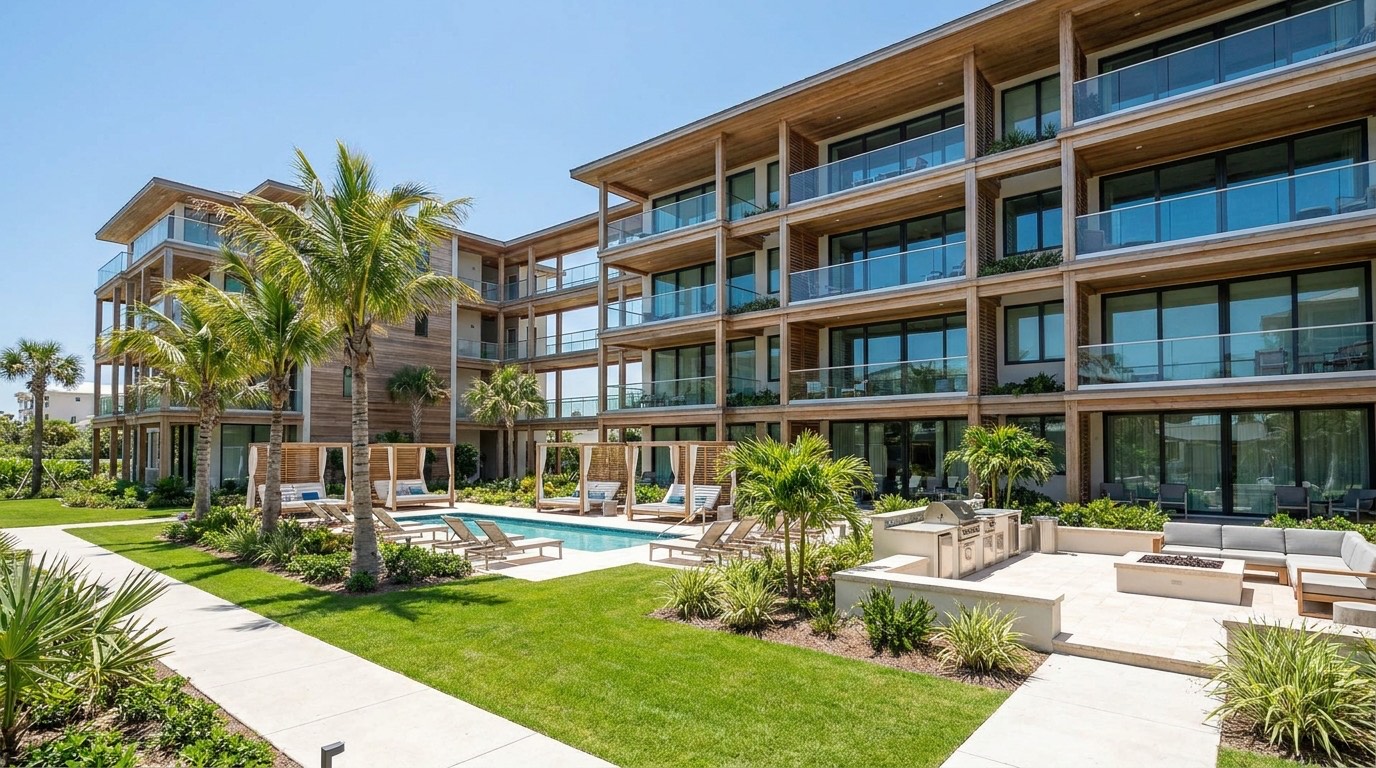
Playa Del Rey has condo buildings spread across both the flats and the hill section, and HOA fees vary across that mix more than a lot of buyers expect walking in. That range is exactly why a Playa Del Rey number depends heavily on whether you’re comparing a flats building or a hill section one.
The Rules Don’t Change Between the Flats and the Hill
A reserve study works the same way, and a seller owes you the same disclosures, whether the building sits in the flats near the sand or up in the hill section. Our HOA fees explained guide lays out that full statewide framework if any of it is unfamiliar. What follows is specific to Playa Del Rey, where location within the neighborhood ends up mattering almost as much as the building itself.
Why Building Age and Location Both Matter Here
Playa Del Rey’s condo stock ranges from older, smaller buildings in the flats to a mix of ages in the hill section, and that range means fees vary a lot from one building to the next. A small, older flats building close to the sand can have a very different fee structure than a newer or larger hill section building with view amenities. Location within the neighborhood and building age both matter, and neither tells the full story on its own.
Salt Air and Coastal Wear on Building Maintenance
Because Playa Del Rey sits directly on the coast, condo buildings here deal with real ongoing wear from salt air and moisture exposure on exterior surfaces, railings, and shared structures. That can mean higher current fees to cover more frequent maintenance, or the risk of a future special assessment if a building’s reserve fund hasn’t kept pace. Ask for the reserve study and recent board minutes for any specific building rather than assuming based on age or appearance alone.
Hill Section Buildings and View-Related Amenities
Some hill section condo buildings include amenities tied to their elevated position, elevators, view decks, or larger shared outdoor space, all of which push fees higher than a simpler flats building nearby. That’s a tradeoff only you can weigh, but get the real dollar difference between a view building and a simpler flats option before assuming the elevated position automatically pays for itself.
Coastal Zone and Wetlands-Adjacent Considerations
Playa Del Rey sits within an area under California Coastal Commission jurisdiction, and buildings closest to the Ballona Wetlands may also face additional review for exterior work depending on proximity to that protected border. This doesn’t affect routine maintenance, but if an HOA is planning significant structural changes, it’s worth asking the board directly about where that process stands. Confirm current specifics with escrow or an attorney rather than assuming standard timelines apply.
Comparing Playa Del Rey Fees to Neighboring Marina Del Rey
Marina Del Rey’s condo stock skews toward larger, more amenity-heavy high-rise buildings, which generally carry higher HOA fees than Playa Del Rey’s smaller-scale buildings. If you’re weighing the two neighborhoods, that’s a real structural difference worth factoring in beyond just the purchase price. Our condos vs. single-family homes in Playa Del Rey guide covers the broader tradeoffs of condo ownership here.
Questions That Matter More Here Than Elsewhere
Pull the standard documents, CC&Rs, budget, reserve study, and recent minutes, then push further on this neighborhood’s actual risk factors: how the building has handled coastal wear over time, what deferred maintenance is on record, and whether exterior or structural work is planned. If the building sits close to the Ballona Wetlands border, ask one more thing: has any past project there needed extra environmental review, since that’s a preview of what a future renovation could involve.
Special Assessments and What Triggers Them
A special assessment happens when a building’s regular reserve fund can’t cover a major repair, a roof replacement, plumbing overhaul, or structural fix, and the HOA needs to collect extra funds from owners to cover the gap. Coastal buildings can be more prone to this if reserves haven’t kept pace with the actual rate of weather-related wear, which is exactly why reviewing the reserve study in detail matters more here than in an inland building. Ask directly whether any assessment has occurred in the past few years and whether one is currently being discussed.
Comparing Fees Across a Shortlist of Buildings
If you’re seriously comparing more than one Playa Del Rey building, it helps to lay out fees, what they cover, reserve fund health, and any pending assessments side by side rather than judging each building in isolation. A lower monthly fee isn’t automatically the better deal if it comes with a thin reserve fund and a maintenance backlog waiting to become your problem as a new owner.
Flats and hill section buildings here can carry genuinely different cost profiles once you look past the sticker fee. Efrat works with buyers and sellers across Los Angeles, including Playa Del Rey, and can help you pull the right documents for a specific building and separate a real red flag from a normal coastal maintenance line item.
