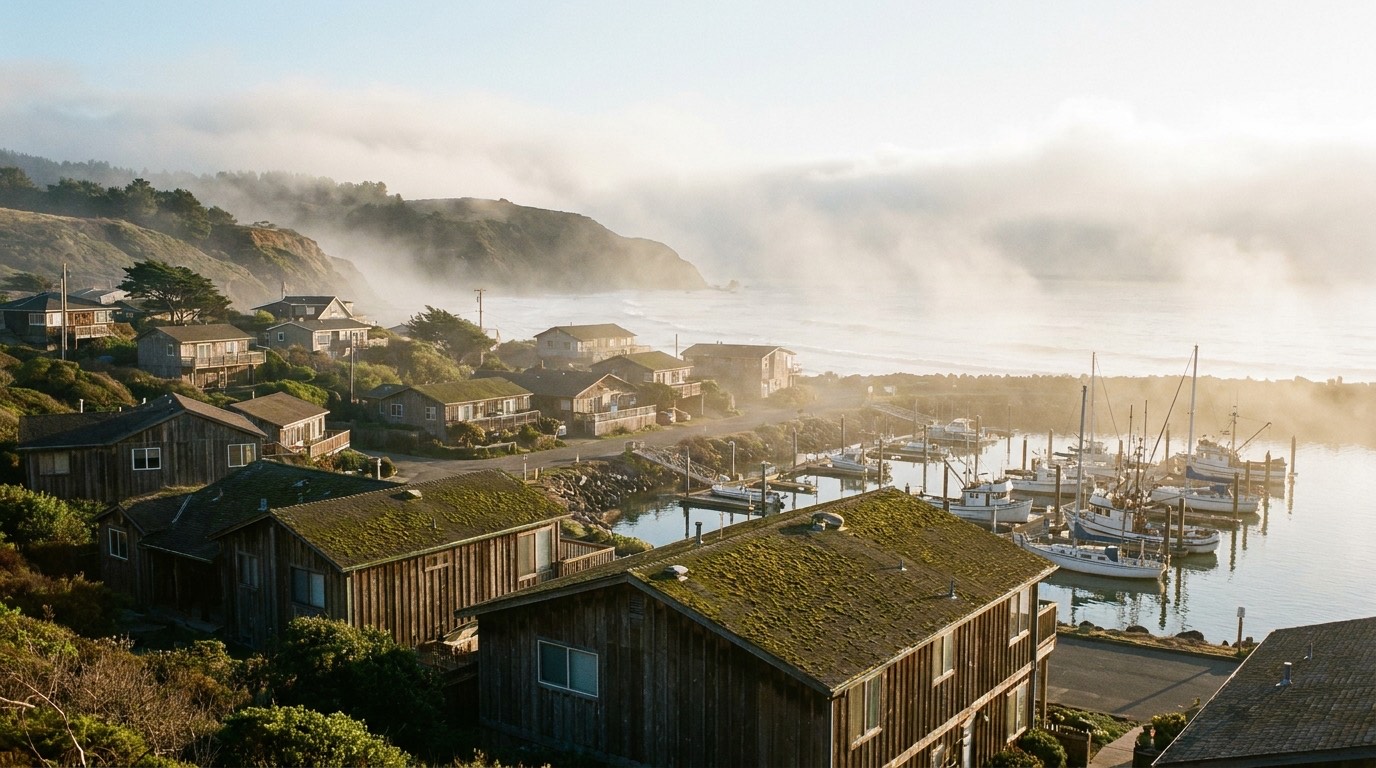
Playa Del Rey doesn’t get talked about nearly as much as Venice or Marina Del Rey, and honestly, that’s part of its appeal. It’s a small beach town wedged between a protected wetland, a marina, and an airport, and that combination makes it one of the more distinctive corners of the Westside. If you’re considering it, here’s what daily life there actually looks like.
A Small Beach Town Feel That’s Getting Harder to Find
Compared to its neighbors, Playa Del Rey still has a genuinely small-town beach character, fewer high-rises, a compact commercial strip, and a slower pace than Marina Del Rey just to the south. That’s a real draw for buyers who want beach proximity without the density of Venice or the more built-up feel of the Marina. It’s not undiscovered exactly, but it hasn’t been fully remade the way a lot of the coastline has.
The Hill Section vs. the Flats
Playa Del Rey splits fairly clearly into two areas: the flats, which sit at beach level close to the sand and the main strip, and the hill section, which climbs above that and tends to offer better views, sometimes ocean, sometimes over the wetlands, along with more distance from weekend beach traffic. The two areas have a genuinely different feel day to day, and buyers often have a strong preference for one over the other once they’ve walked both. Our neighborhood boundaries guide covers where each sub-area actually starts and ends.
Ballona Wetlands Border One Side of the Neighborhood
The Ballona Wetlands Ecological Reserve sits right at the edge of Playa Del Rey, and it’s a real, protected habitat, not just a scenic backdrop. For buyers, that means certain streets back directly onto open, undeveloped land, which is unusual for coastal LA, and it also means development near the wetlands is more restricted than in a typical neighborhood. If open space and less density next door matters to you, homes near the wetlands are worth a specific look.
LAX Is Close, and That’s Worth Being Direct About
Playa Del Rey sits near LAX’s flight paths, and depending on the street and which runways are in use, that can mean real noise, particularly during arrivals. This isn’t a reason to avoid the neighborhood outright, plenty of residents don’t find it disruptive to daily life, but it is something to experience in person before buying, ideally at a few different times of day. Don’t take a single daytime visit as the full picture.
Marina Del Rey Is Right Next Door
Playa Del Rey borders Marina Del Rey, so residents get easy access to the Marina’s restaurants, boating, and waterfront walking paths without living in the middle of that density themselves. It’s a genuine convenience, a bigger amenity base just a short drive or bike ride away, while Playa Del Rey itself stays quieter.
Getting Around From Playa Del Rey
The neighborhood’s location, tucked between the wetlands, the Marina, and LAX, means getting to other parts of the Westside or further into LA involves navigating around those features rather than a straight shot. Lincoln Boulevard and Culver Boulevard are the main arteries, and both can get congested during commute hours or when LAX traffic backs up nearby streets. It’s worth mapping your actual regular drive at rush hour rather than assuming coastal proximity means an easy commute everywhere else.
Who Playa Del Rey Actually Fits
Playa Del Rey tends to fit buyers who want real beach access and a small-town feel without Venice’s density or tourist traffic, and who are comfortable with LAX noise as a tradeoff. It’s a strong fit for people drawn to the wetlands’ open space, and for anyone who wants Marina Del Rey’s amenities nearby without living inside them. It’s less of a fit for buyers who need total quiet or who haven’t spent time near an active flight path before.
Efrat serves buyers and sellers across Los Angeles, including Playa Del Rey, and can help you figure out whether the flats or the hill section actually fits what you’re looking for. Reach out to talk through your search.
