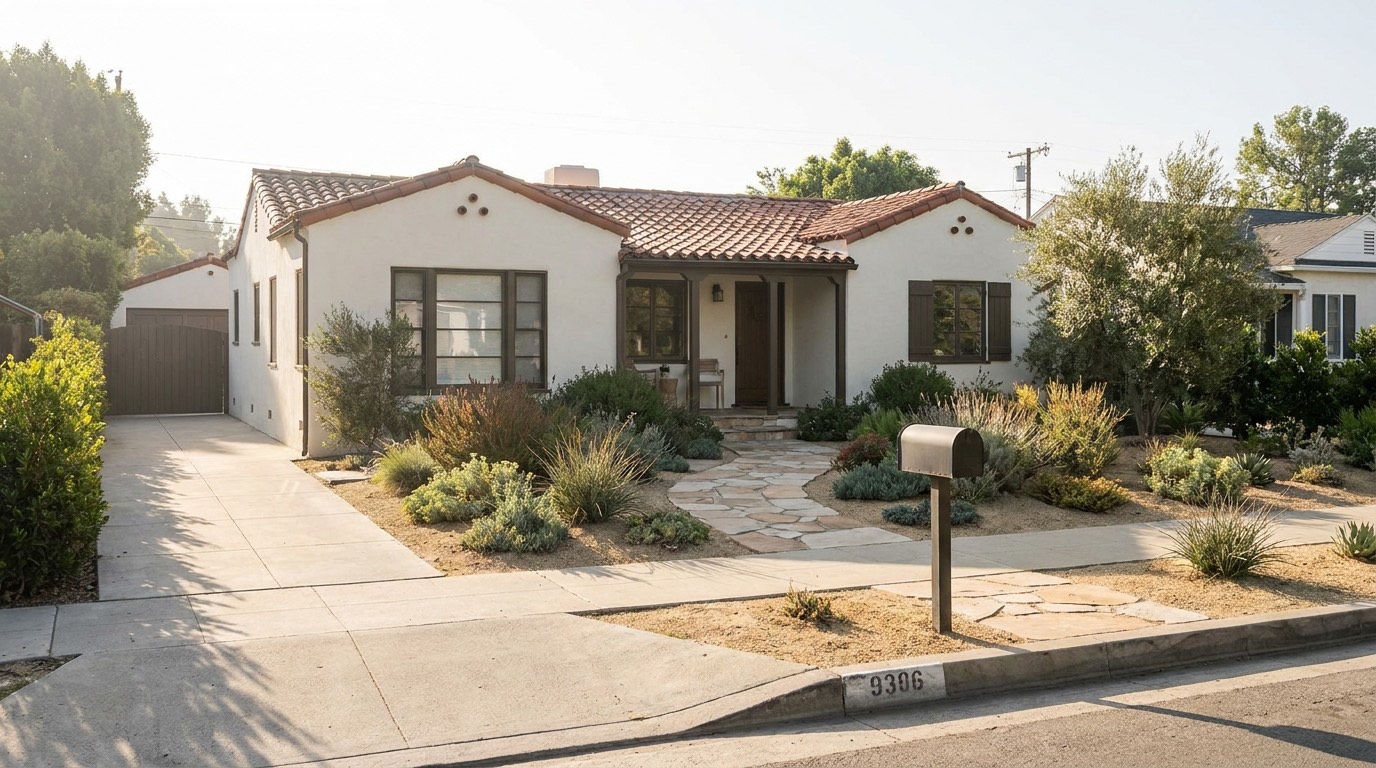
Property tax mechanics in Studio City work exactly the same as everywhere else in Los Angeles County. What’s worth understanding specifically for this neighborhood is how much the size of your reassessment can vary depending on whether you’re buying a flats condo or a hillside single-family home.
The Mechanics Are Not Studio City-Specific
California property tax rules, the roughly 1% base rate under Proposition 13, local assessments and bonds layered on top, and reassessment triggered by a change in ownership, apply the same way in Studio City as they do anywhere else in the state. We cover the full mechanics in our general guides to property taxes in Los Angeles and reassessment after buying in California. If you want the complete breakdown of how the system works, start there.
Where the Studio City Angle Actually Comes In
The rules don’t change in Studio City, but the range of purchase prices behind them is unusually wide for one neighborhood. A condo or townhome near Ventura Blvd, a flats single-family home, and a hillside property with views can all sell at very different price points within the same zip code. Since reassessment resets the assessed value to your actual purchase price, the size of your new tax bill depends heavily on which type of property you’re buying, not just the fact that it’s located in Studio City.
What a Bigger Jump Can Look Like in Practice
This isn’t a reason to avoid buying in Studio City, but it is a reason to plan for it honestly. If you’re purchasing a home where the seller has owned it for many years, don’t assume your tax bill will resemble theirs, especially on a hillside property that’s appreciated substantially under a long-held Prop 13 assessment. Budget for the new number based on your actual purchase price, not the figure listed on the current owner’s public tax record.
Don’t Forget the Supplemental Bill
One detail that catches new buyers off guard anywhere in California, not just Studio City: after a sale closes, the county typically issues a supplemental property tax bill covering the gap between the seller’s old assessed value and your new purchase-price assessment for the remainder of that tax year. On a higher-priced Studio City hillside purchase, that supplemental bill can be a real number, so ask your escrow officer to walk you through the timing and rough size of it before you close.
Local Assessments Still Apply on Top
Just like anywhere else in LA County, Studio City properties can carry local assessments or voter-approved bonds layered on top of the base rate, tied to the parcel’s exact location rather than the neighborhood name. Some of these are modest, others less so, and they show up on the same parcel records referenced above. Check the specific parcel rather than assuming a Studio City address is exempt.
Comparing Flats and Hillside Tax Pictures Before You Offer
If you’re weighing a flats condo against a hillside single-family home in Studio City, it’s worth running both tax scenarios early, not just comparing list prices. A lower purchase price on a condo generally means a smaller new tax bill, while a hillside home’s higher price point translates directly into a bigger annual number. Neither is right or wrong, but you want to be budgeting for the real figure on the specific property you’re considering, not a rough average for the neighborhood.
Where to Get the Exact Number for a Specific Property
Skip the guesswork. The LA County Assessor’s office and the preliminary title report during escrow will both give you parcel-level information, including any local assessments or bonds attached to that specific property. Confirm the real number with your escrow or title company as part of your due diligence, ideally early enough that it factors into your offer.
If you’re evaluating a Studio City property and want help understanding what your actual tax picture will look like, reach out to Efrat and she can help you get the right numbers from escrow early in the process.
