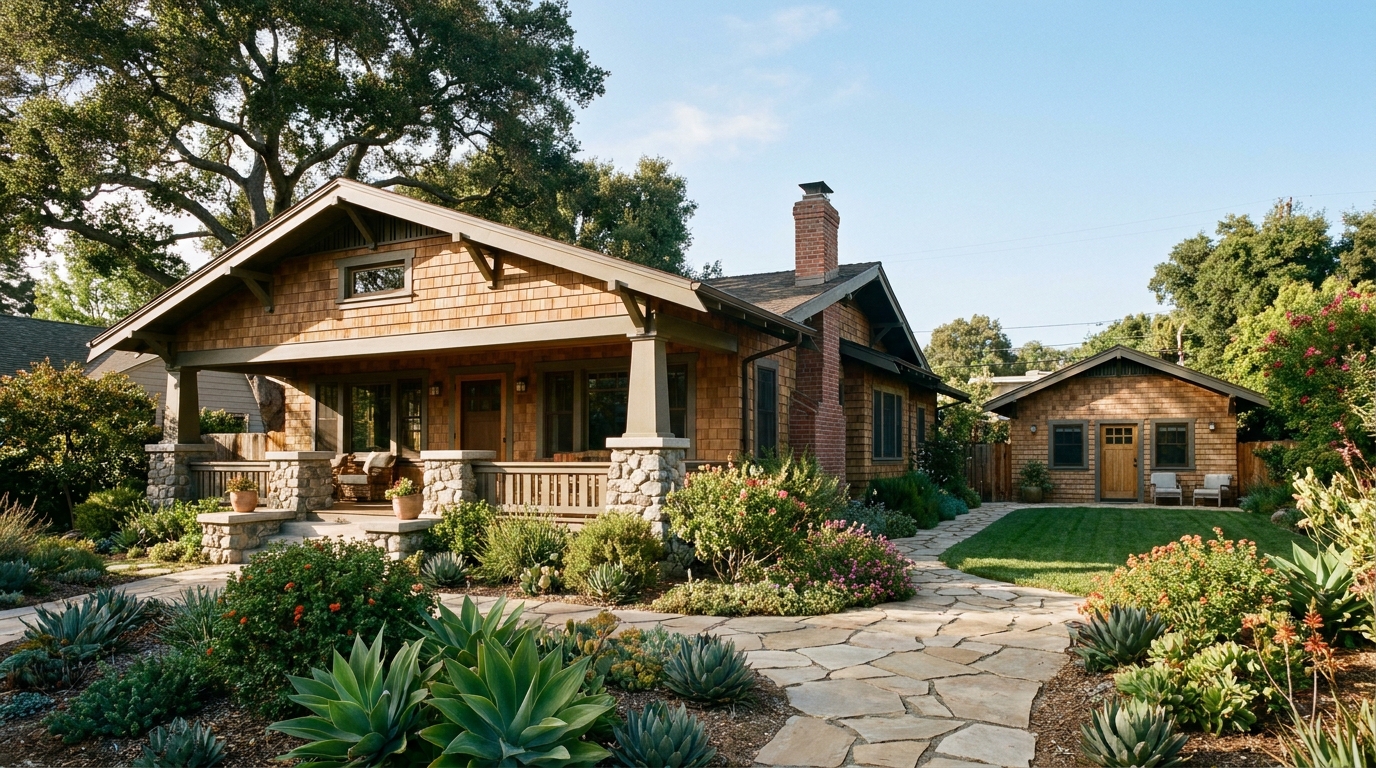
A lot of older Los Angeles homes have square footage that never made it into the county’s permit records, and knowing how to check for it before you make an offer can save you a serious headache later.
Why Unpermitted Work Is So Common in LA
Many older LA homes have additions, converted garages, guest units, or accessory dwelling units (ADUs) that were built without permits, sometimes decades ago and sometimes recently. This isn’t rare or unusual, it’s a routine part of due diligence on older housing stock across the city, particularly in hillside neighborhoods where past owners sometimes built without going through the formal permit process.
Why It Actually Matters to a Buyer
Unpermitted square footage may not be reflected in the county assessor’s records, and it may not legally count toward the home’s official living area. That has real, practical consequences. It can affect the appraisal, since some lenders won’t count unpermitted square footage toward the home’s value, which can leave a gap between the price you agreed to pay and what the property appraises for. It can affect financing for the same reason. It can affect insurance, since an insurer may not cover an unpermitted structure the same way it covers permitted living space, meaning a fire or water loss in that space could turn into a coverage dispute rather than a straightforward claim. And it can affect resale, since a future buyer’s lender may run into the exact same limitation you’re facing now, which can shrink your buyer pool or complicate your own sale down the line.
How to Actually Check Before You Offer
Start by asking the seller directly and reviewing the seller’s transfer disclosure statement, which should disclose any known permit issues. From there, pull the permit history from the LA Department of Building and Safety (LADBS) or the relevant city or county building department for the property. It’s also worth having a general contractor or inspector walk the property specifically looking for construction that doesn’t match what’s on file, an experienced eye often catches mismatches a buyer wouldn’t notice on their own, like a garage conversion with finished walls and flooring that never shows up as living space in the permit record. Comparing the assessor’s recorded square footage against what the listing advertises is also a quick first check, a mismatch there is often the first sign something wasn’t permitted.
Unpermitted Doesn’t Automatically Mean Walk Away
Finding unpermitted work doesn’t mean you should abandon the purchase. Many additions are legalizable after the fact, and LA has ADU amnesty and legalization programs available for some older units. What matters is understanding the cost and process to legalize the space before you make an offer, not discovering it after you’ve already closed and the surprise becomes yours to solve alone. Legalization can involve bringing electrical, plumbing, and structural work up to current code, which is a real cost to price out and, in some cases, a real negotiating point with the seller before you finalize your offer.
Make Permit History a Standard Part of Due Diligence
This issue comes up most in older housing stock and hillside properties, but it’s worth checking on any LA property, not just ones that look obviously modified from the street. Requesting permit history should be a standard step in your due diligence process on every purchase, since the properties that look the most “finished” are sometimes the ones hiding the oldest unpermitted work.
If you’re evaluating a property with an addition or a converted unit you’re not sure about, get in touch and Efrat can help you build a due diligence plan before you write an offer.
