Beverlywood doesn’t get talked about as often as some of its more famous neighbors, but that’s part of the appeal for the buyers who end up here. It’s quiet, established, and residential in a way that Beverly Hills and Culver City, sitting right on either side of it, aren’t always able to offer at a comparable price point. Buying here isn’t complicated, but it does come with its own specific due-diligence list worth knowing before you start touring homes.
The Housing Stock Is Older Than It Looks
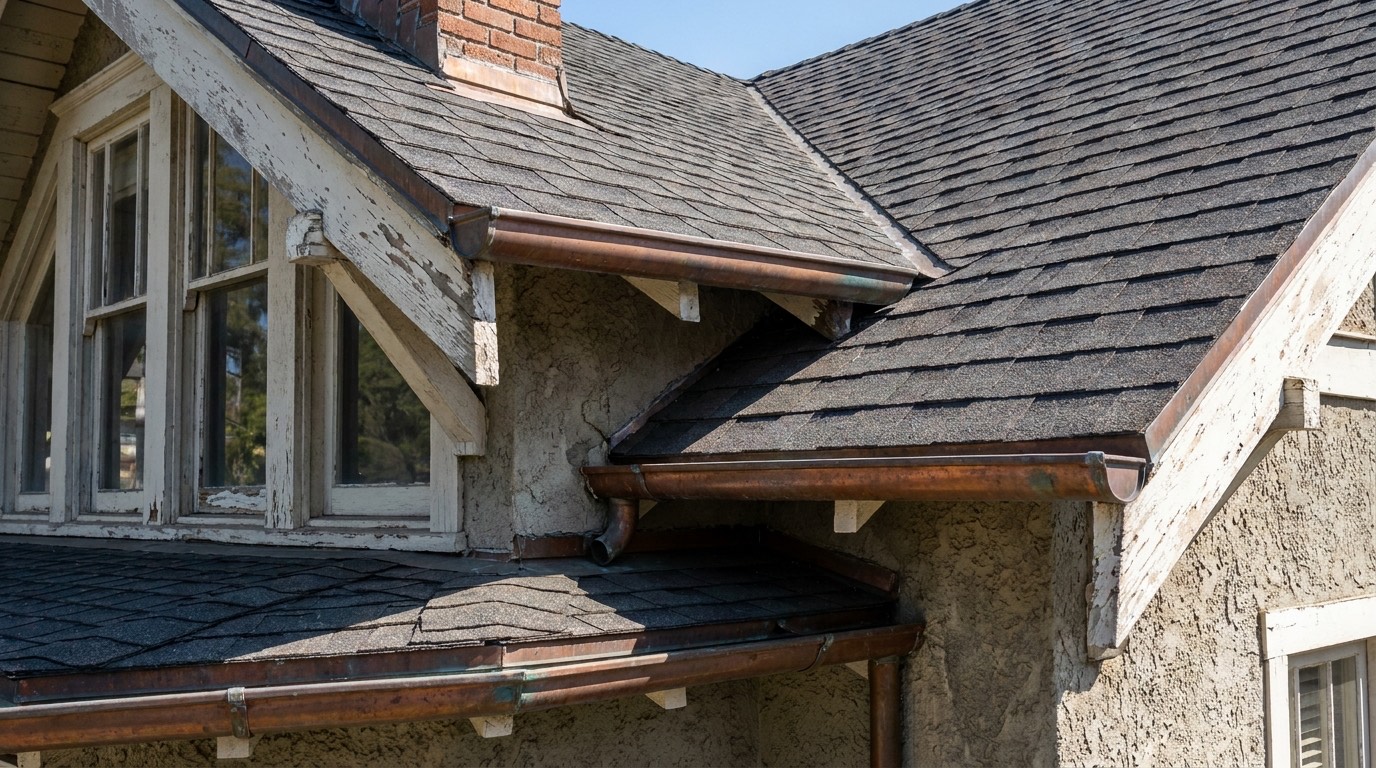
A lot of Beverlywood’s homes date back to the 1930s through the 1950s, and many have been through at least one round of remodeling since. That’s a good thing for character, but it means electrical, plumbing, and foundation systems can be a mix of eras rather than one consistent build. A kitchen updated five years ago doesn’t necessarily mean the wiring behind the walls was touched. Ask for permit history on any past work, and don’t assume a nice-looking remodel means the whole house was brought up to current standards behind the scenes.
Lot Size and Layout Vary More Than You’d Expect
Beverlywood reads as a uniform neighborhood from the street, but lot sizes and home footprints vary block by block, and even within a block, depending on when a given tract was developed. Some homes sit on wider lots with real yard space, others are tighter. If outdoor space or a specific square footage target matters to your search, don’t assume one part of the neighborhood is representative of the whole thing. Walk multiple streets before you settle on expectations.
Confirm Deed Restrictions Before You Assume Zoning Flexibility
Some pockets of Beverlywood fall under tract-specific deed restrictions or homeowner associations that go beyond standard city zoning, covering things like fence height, exterior changes, or in some cases restrictions on rentals. This isn’t universal across the neighborhood, so it needs to be checked property by property rather than assumed one way or the other. Your agent or title company can pull this during escrow, but it’s worth raising early if you have specific renovation or rental plans for the property.
Garages and ADU Potential Need Individual Confirmation
Many Beverlywood homes have detached garages from the original build era, and some buyers are drawn to the neighborhood partly for ADU conversion potential. Whether that’s actually feasible depends on the specific lot’s zoning, setbacks, and any deed restrictions that might apply, not on what a similar-looking home down the street was able to do. Confirm with the city and, if relevant, an ADU specialist before you factor a conversion into your purchase decision.
Proximity to Beverly Hills and Culver City Is a Real Value Driver
Part of what makes Beverlywood attractive is genuinely practical: it sits close enough to Beverly Hills and Culver City that residents get quick access to both without paying either neighborhood’s premium for the home itself. That proximity is worth weighing seriously if commute time or access to those amenities factors into your decision, since it’s one of the more concrete advantages the neighborhood offers over comparably priced areas further from the Westside core.
Get a Full Inspection Before Removing Contingencies
Given the age of the housing stock, a thorough inspection matters more here than it would in a neighborhood built mostly in the last two decades. That includes a close look at foundation condition, roof age, and the state of any additions that may not have been permitted at the time. For the general mechanics of what a strong purchase process should cover, our understanding offer contingencies post is a useful starting point before you write an offer on a Beverlywood property.
If you’re considering a purchase in Beverlywood, reach out to Efrat. She serves buyers across Los Angeles, including Beverlywood, and can help you build a due-diligence plan suited to the specific home and lot you’re looking at.
